
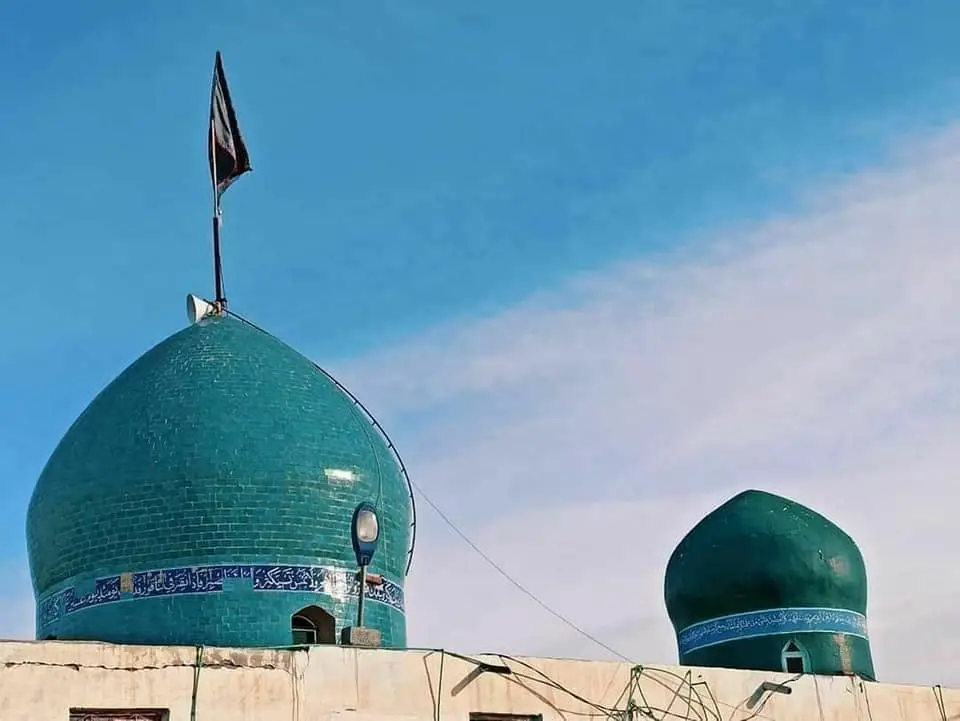
Shrine of Mohammad ibn Al Hassan
The Shrine of Mohammad ibn Al Hassan (peace be upon him) is located in the Al Rahba area on the edge of the southwestern desert of Najaf Al Ashraf Governorate, approximately 35 kilometers from the city center, near the Ain Al Rahba spring.
The lineage of the shrine's occupant traces back to Imam Al Hassan ibn Ali ibn Abi Talib (peace be upon them both). He is believed to be one of the sons of Al Hassan Al Muthanna, son of Al Hassan Al Sibt, and is known among the people as "Ibn Al Hassan." The name Mohammad recurred among the descendants of Al Hassan, connected through Al Hassan Al Muthanna to Al Hassan Al Sibt, making the precise identification of which Mohammad this is a matter requiring further research. Sheikh Mohammad Hirz Al Din noted that the grave is unknown and under examination and excavation, and that the period in which he lived and the reason for his coming to Al Rahba remain undetermined. Nevertheless, it has remained a well-known pilgrimage site visited by Bedouin tribes throughout the year since ancient times, bearing witness to the spread of the Ahl Al Bayt's shrines across the lands.
Sayyid Mahmoud Al Rahbawi is the pivotal figure in reviving this area and building the noble shrine. His lineage traces back to Sayyid Ibrahim Al Mujab ibn Sayyid Mohammad Al Abid ibn Imam Musa ibn Ja'far Al Kadhim (peace be upon him), and his Safavid epithet indicates his belonging to the Iranian Safavid milieu.
Sources recount that he was one of three brothers who fled from Hamadan in Iran, escaping the oppression of Sultan Ashraf Al Afghan who was pursuing and killing Safavids. One brother fled to India and his news was lost, Sayyid Mahmoud came to Iraq, and his third brother also came to Iraq and died there without offspring, so all descendants came from Sayyid Mahmoud. His progeny became known in Najaf and beyond as "the Al Mahmoud Sayyids of Al Rahba" then as "Al Fawwaz."
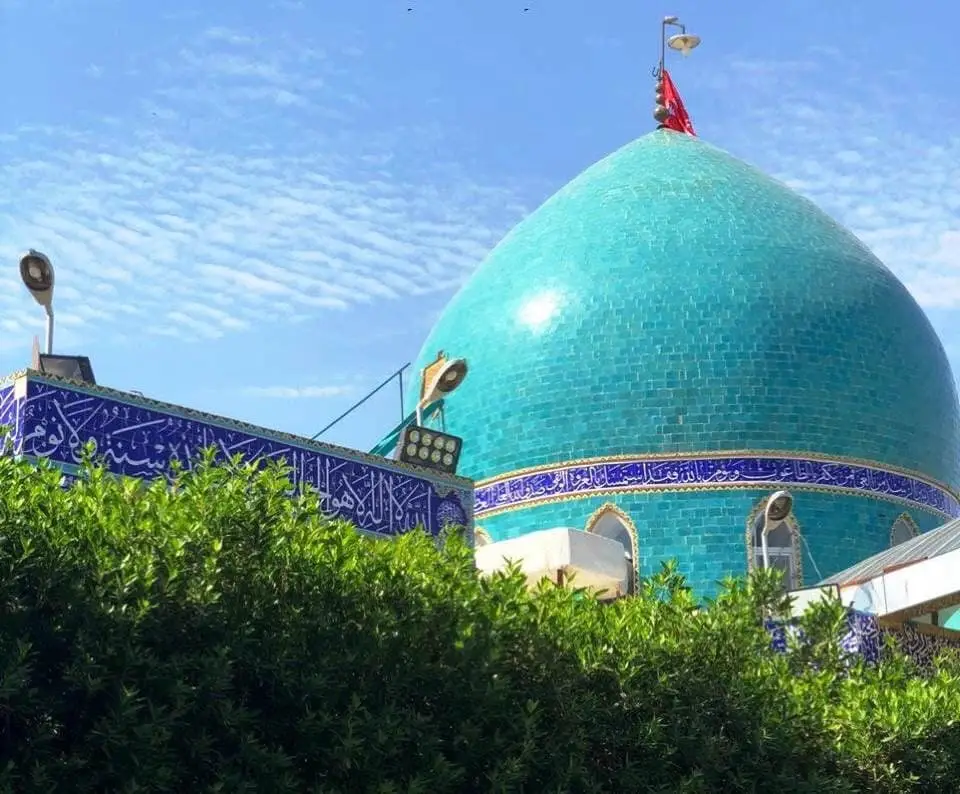
In the context of developing this area, he built the shrine of Sayyid Mohammad ibn Al Hassan and erected a dome over it. In 1222 AH, when Ibn Saud's army passed through Al Rahba returning after failing to raid Najaf, it saw the standing dome and ordered Sayyid Mahmoud to demolish it, and he complied out of fear. He then rebuilt it years later, and that construction stands to this day.
Sayyid Mahmoud met his end in 1813 in a famous incident at Qasr Ain Al Rahba that ignited a dispute in Najafi society and led to the emergence of the two well-known factions "Al Shumart" and "Al Zuqurt" in the history of Najaf.
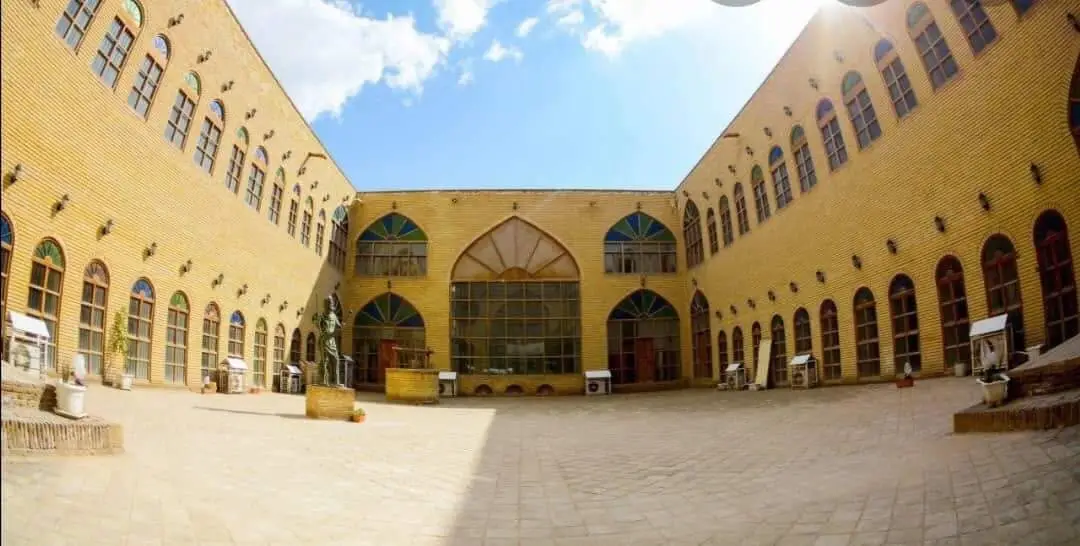
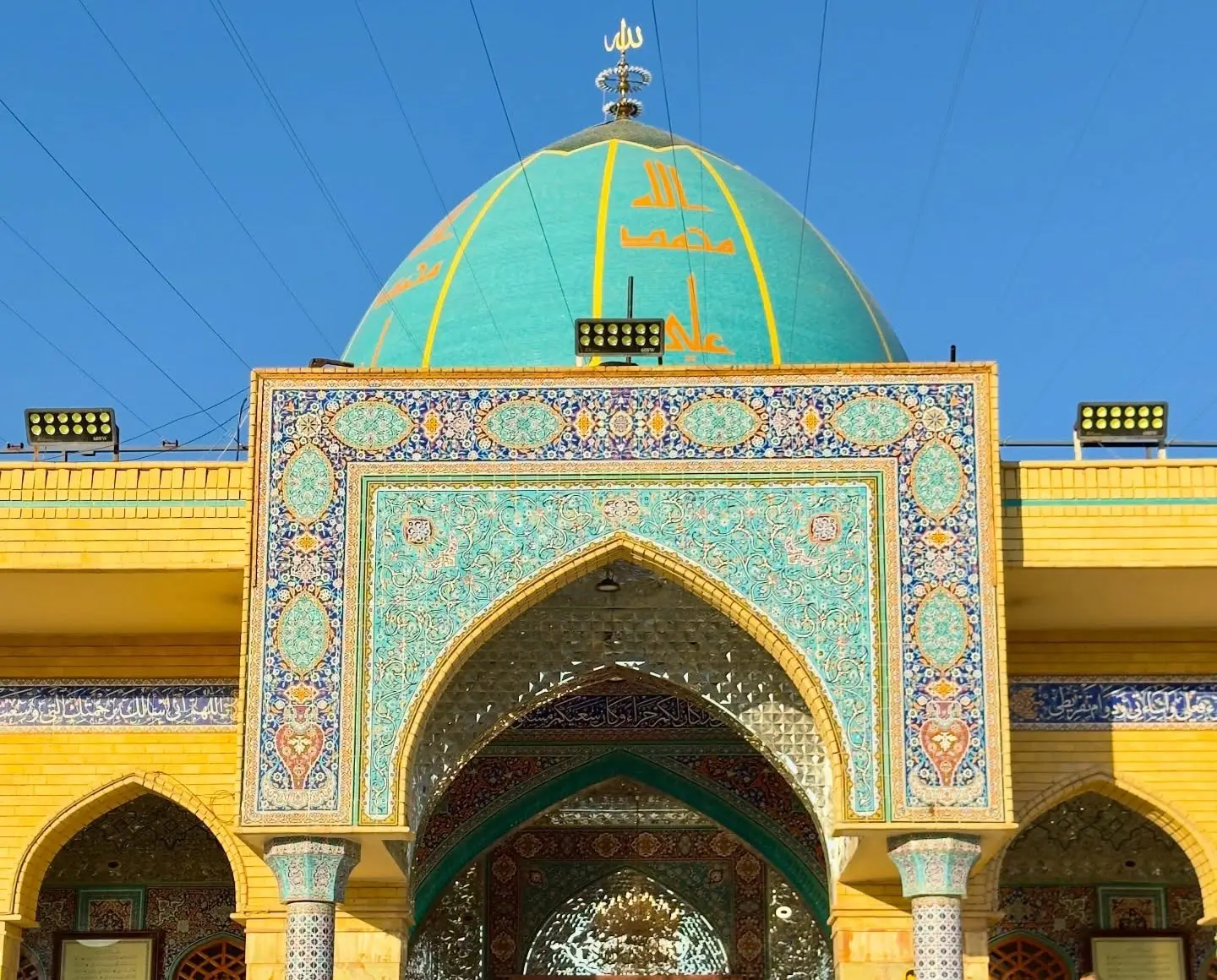
The shrine consists of a wide courtyard, a portico, and a single entrance. Inside is the grave of Sayyid Ibn Al Hassan, covered by a grille clad with green fabric, and beside it a small grave said to be that of his Alawi sister, also clad in green fabric. On both sides of the two graves, to the right and left, is a room used as a storage space and another resembling a guesthouse that shelters visitors, in a quiet spot on the edge of the desert that has maintained its connection with visitors across the centuries.
Frequently asked questions
What are the opening hours of Shrine of Mohammad ibn Al Hassan?
Shrine of Mohammad ibn Al Hassan is open 24 hours.
How much does it cost to visit Shrine of Mohammad ibn Al Hassan?
Admission to Shrine of Mohammad ibn Al Hassan is free.
How long should I spend at Shrine of Mohammad ibn Al Hassan?
Plan about ~ 20 min for Shrine of Mohammad ibn Al Hassan.
When is the best time to visit Shrine of Mohammad ibn Al Hassan?
Early morning or evening are calmest; expect very heavy crowds during Arba'een and major Shia commemorations.
Where is Shrine of Mohammad ibn Al Hassan located?
Shrine of Mohammad ibn Al Hassan is in Najaf: Najaf, Al Hirah Subdistrict.
Plan your visit — free in the app
Get app