
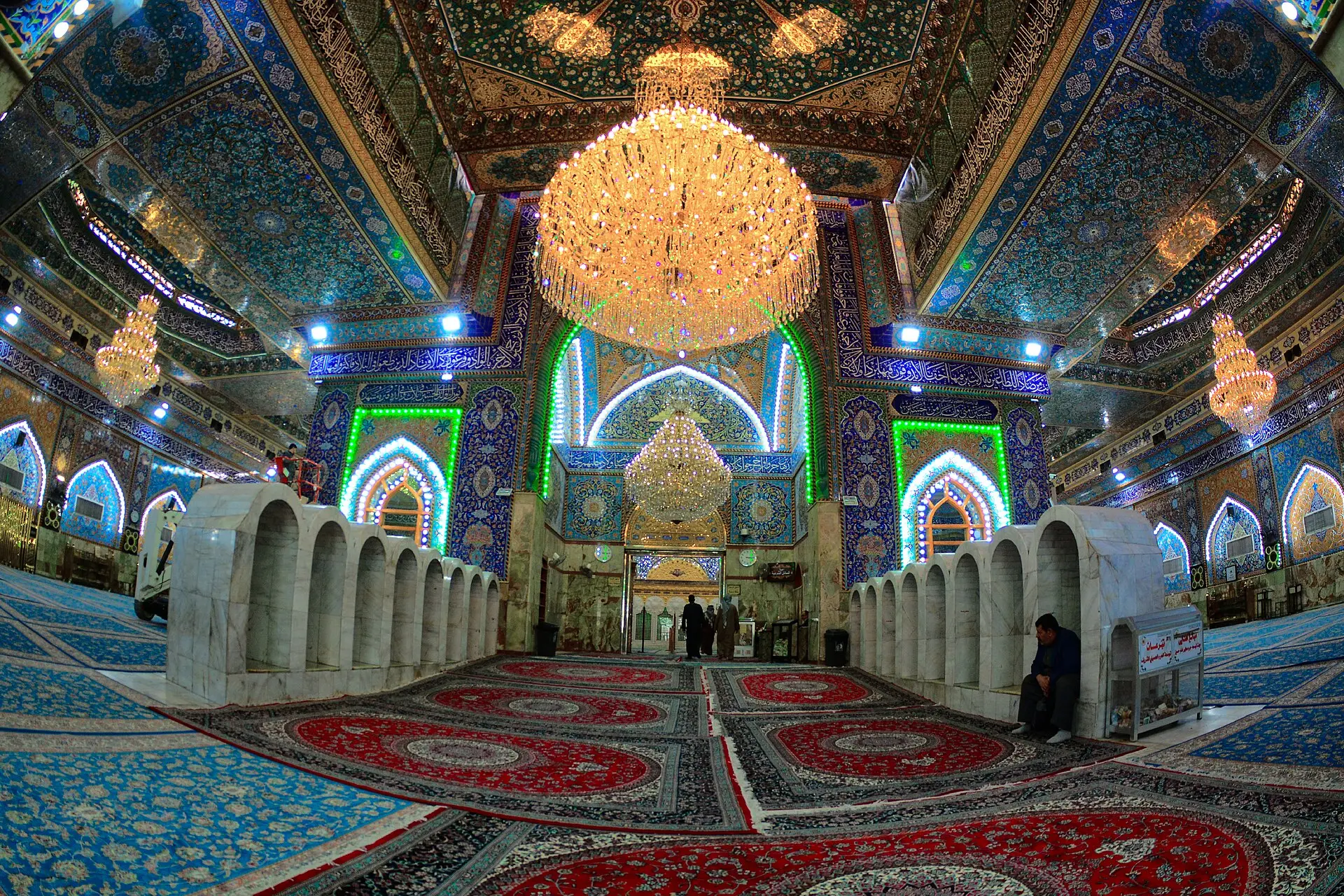
The Husseini Camp
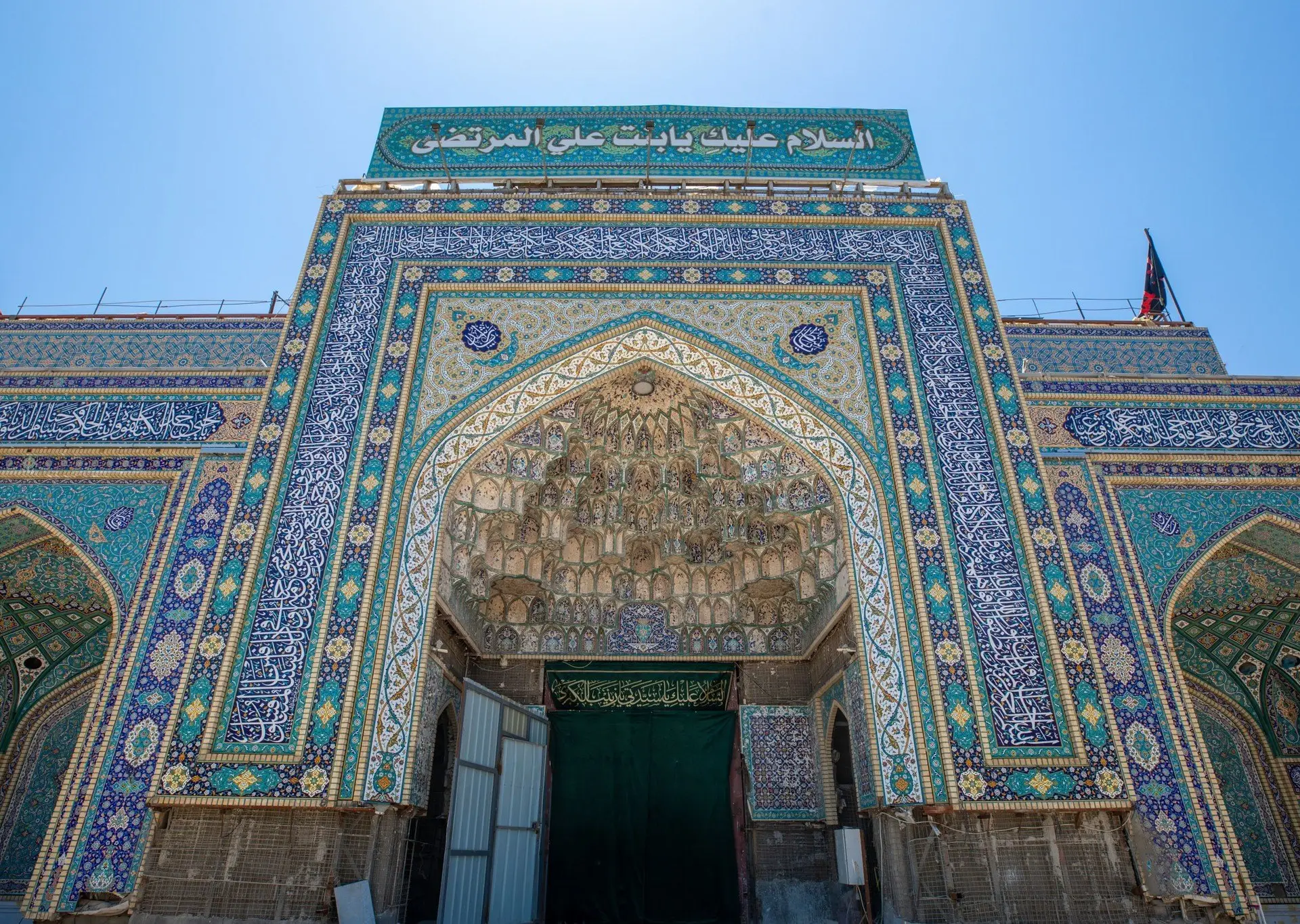
The Husseini Camp is considered one of the most profoundly impactful sites in the Islamic conscience.
It is the site where Imam Al Hussein ibn Ali camped upon his arrival to the sacred city of Karbala on the second day of the month of Muharram in the year 61 AH, where he pitched the tents of his family and noble household, becoming the camp that sheltered the Hashemite family until the final moments of the events of Al Taff, when the Umayyad army proceeded to burn those tents and take the women and children captive after the martyrdom of the Imam and his companions.
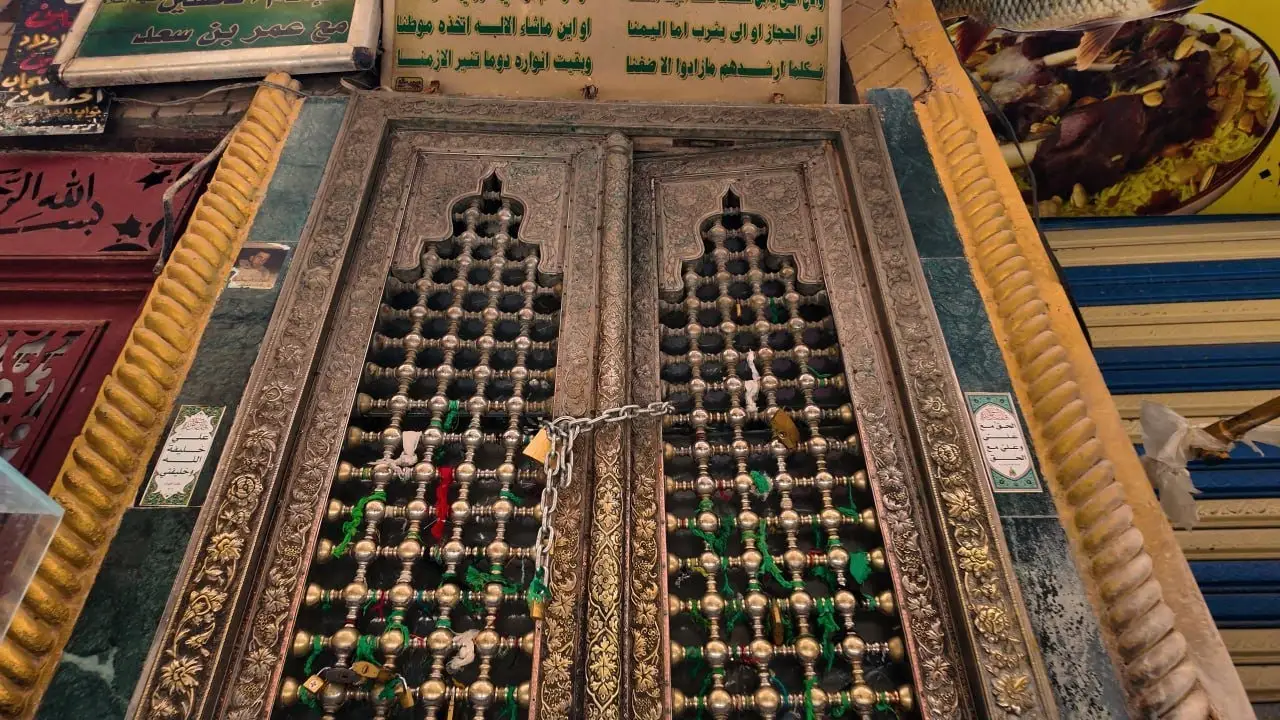
The Husseini Camp today contains ten camps arranged in a sequence that evokes those momentous events. At the main gate, the visitor is first received by the tent of Abu Al Fadl Al Abbas, the Imam's standard-bearer and master of the faithful martyrs.
Following it come sixteen palanquin-shaped arches representing the howdahs, their arrangement evoking the scene of the Husseini caravan as it carved its way toward Karbala.
At the heart of the camp, the Great Tent building occupies the center, embracing the tent of Imam Hussein and the tent of his son Ali Al Akbar, then the noble prayer niche (mihrab), followed by the tent of Lady Zainab and the tent of Imam Zain Al Abidin.
Beside it stands a separate building containing the tent of Al Qasim ibn Imam Al Hassan.
At the far end of the camp lie the tents of the companions and supporters who chose martyrdom over life, erected in the iwans surrounding the walls of the Noble Husseini Camp, placed in their symbolic position on the edges of the encampment, just as they were guards and a sacrifice for their master until the very last breath.
Where the Tents Once Stood
3 Min · Arabic · English · Persian · Turkish
Frequently asked questions
What are the opening hours of The Husseini Camp?
The Husseini Camp is open 24 hours.
How much does it cost to visit The Husseini Camp?
Admission to The Husseini Camp is free.
How long should I spend at The Husseini Camp?
Plan about ~ 45 min for The Husseini Camp.
When is the best time to visit The Husseini Camp?
Early morning or evening are calmest; expect very heavy crowds during Ashura and the Arba'een pilgrimage.
Does The Husseini Camp have an audio guide?
Yes — a narrated audio guide for The Husseini Camp is available in the Travel Tale app.
Where is The Husseini Camp located?
The Husseini Camp is in Karbala: Southwestern side of the Al Hussein Holy Shrine, Karbala.
Hear the full audio story — free in the app
Get app