
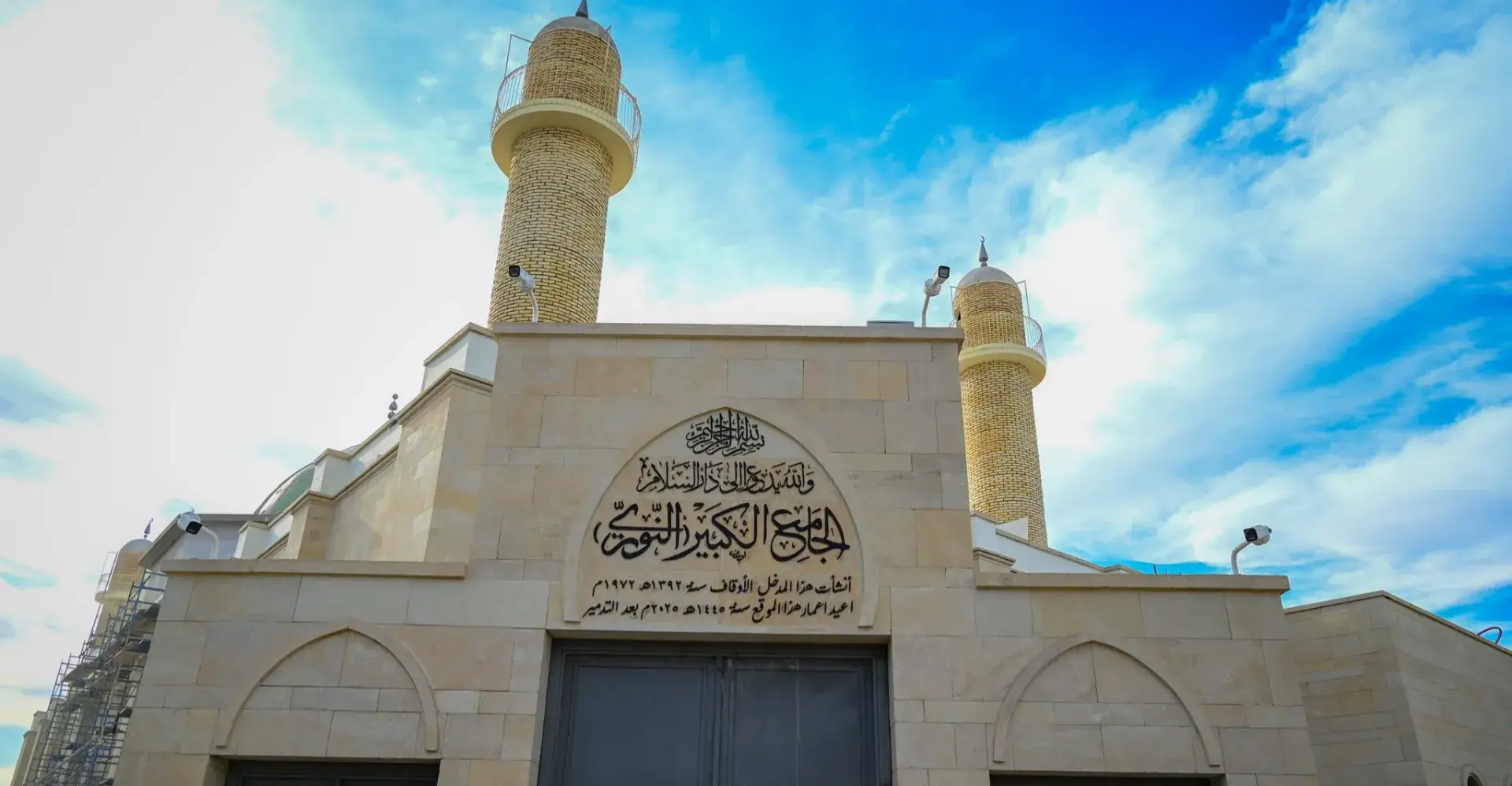
Al Nouri Grand Mosque
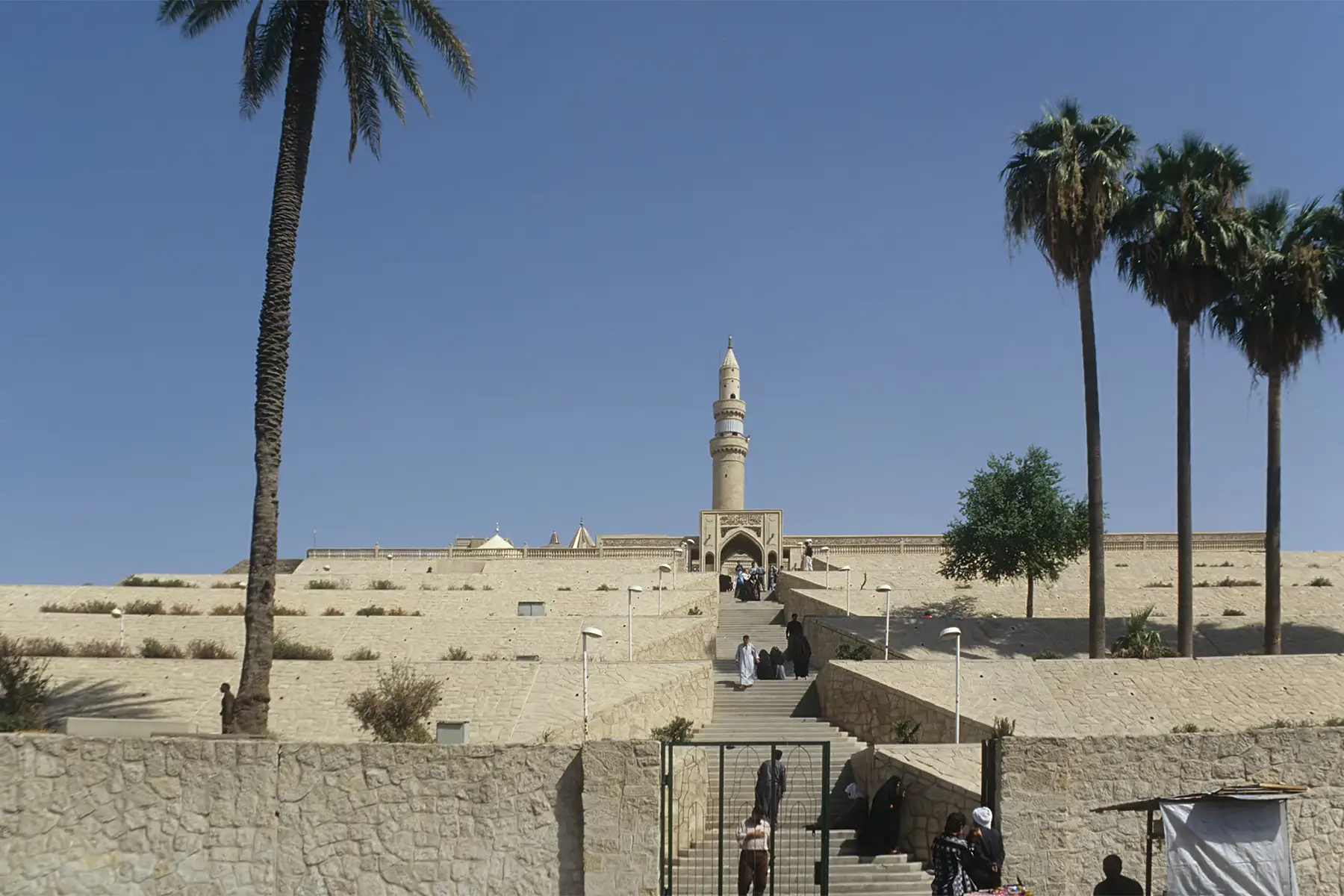
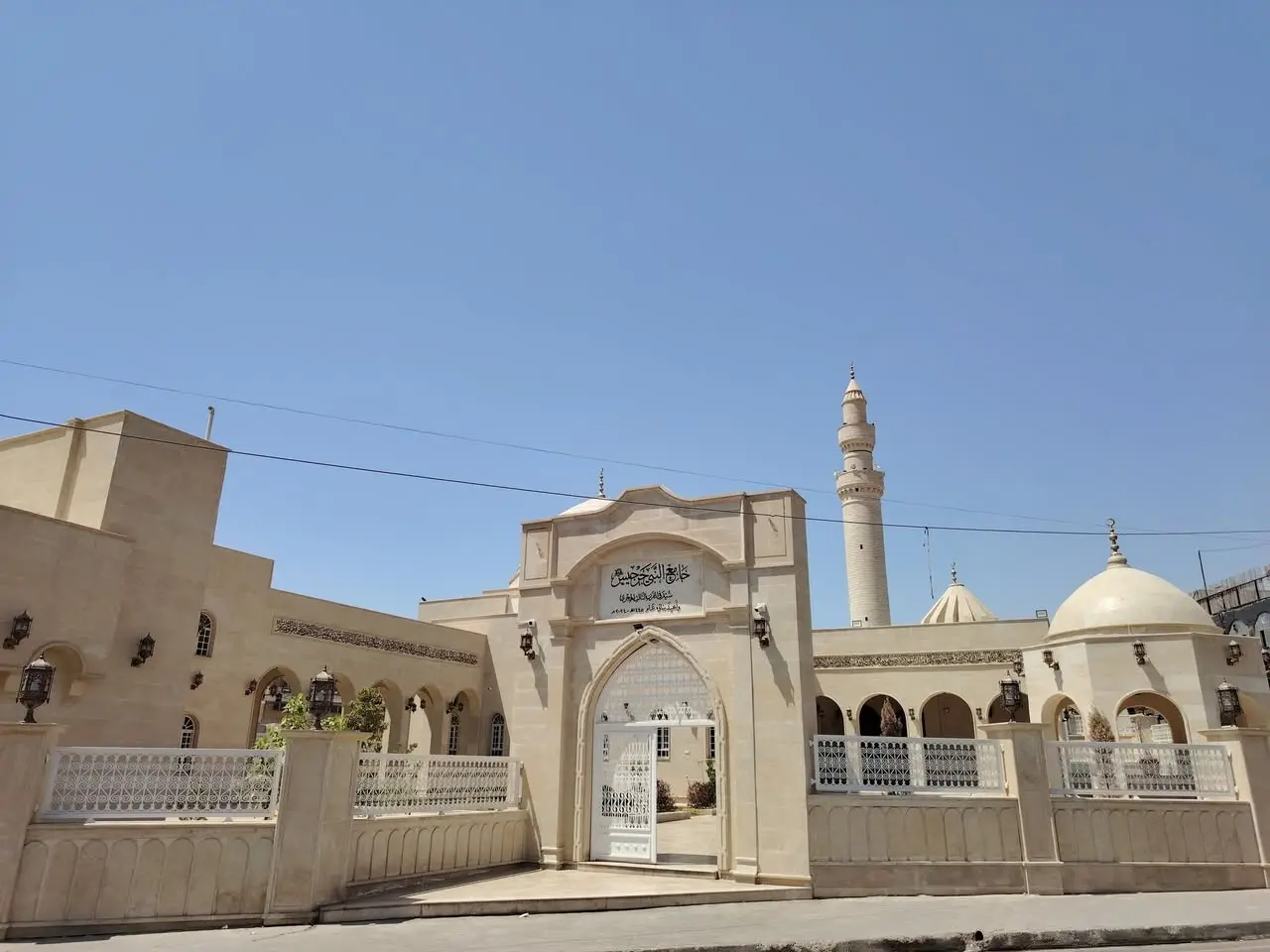
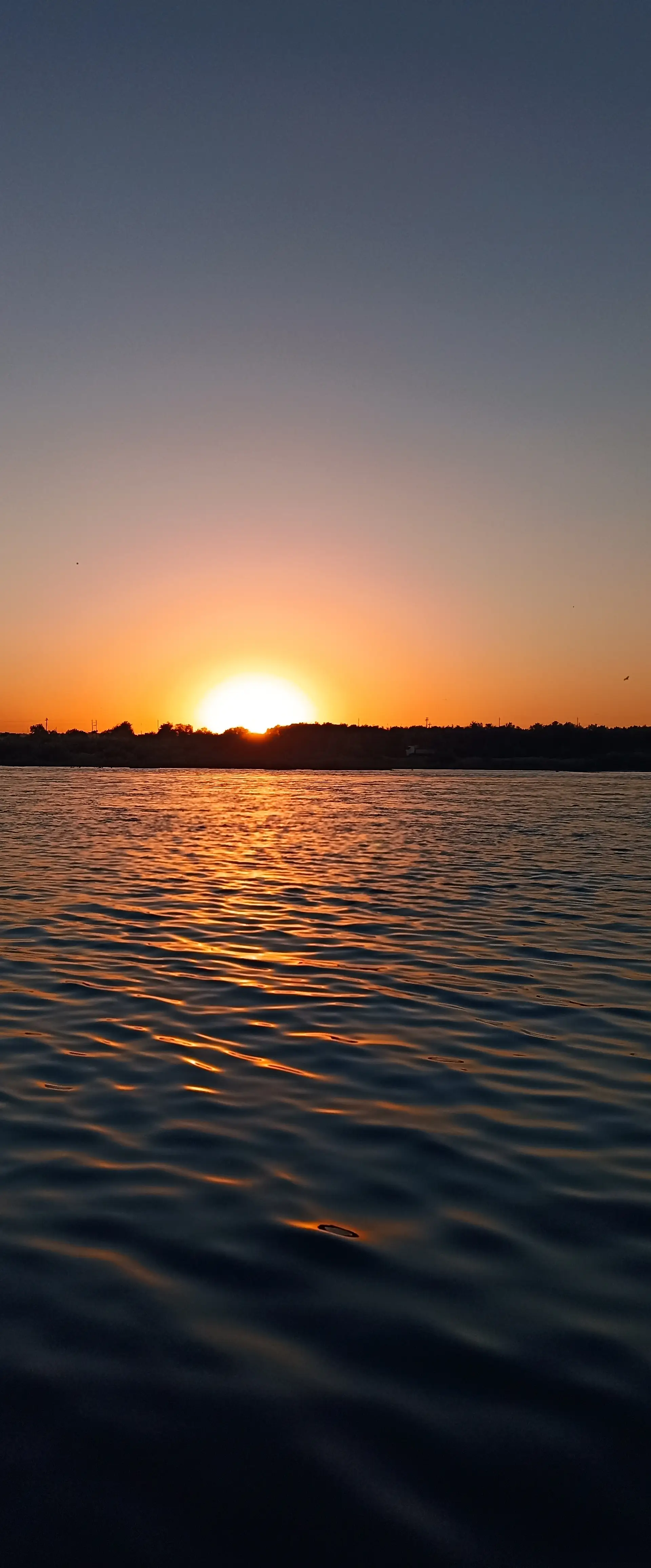
Al Nouri Grand Mosque is a historical mosque located west of Mosul near the western bank of the Tigris River, with the surrounding area known as the Grand Mosque neighborhood.
Al Nouri Grand Mosque was built in the sixth Hijri century by Nour al Din Zanki, and is the second mosque built in Mosul after the Umayyad Mosque. The reason for its establishment was that the city had been relying on a single mosque that could no longer accommodate its growing population. The ascetic Sheikh Mu'in Al Din Al Mulla advised Nour Al Din to build the mosque on a site known as "the ruins," around which stories and rumors circulated about the danger of building there. Nour Al Din decided to purchase it and build on it, and the construction process continued for three years from 566 to 568 AH, corresponding to 1173 CE.
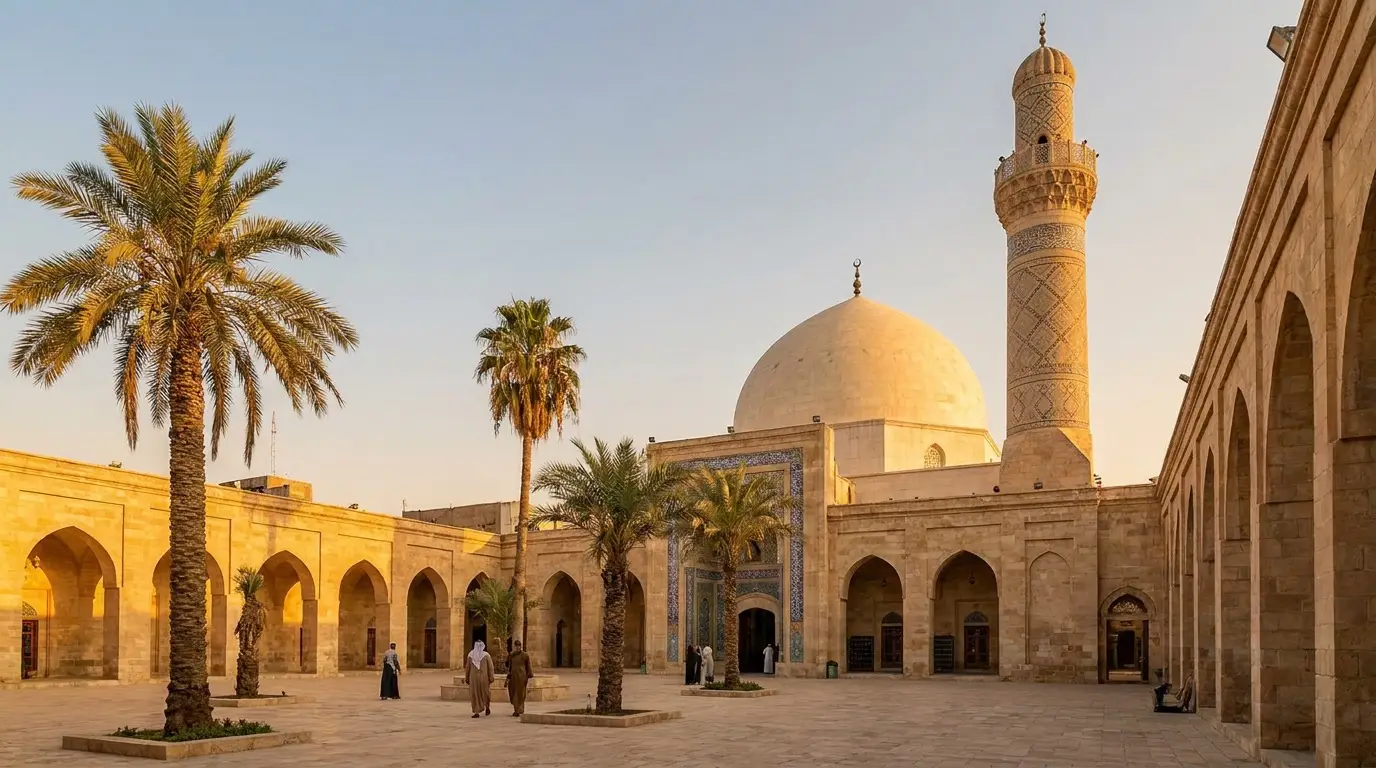
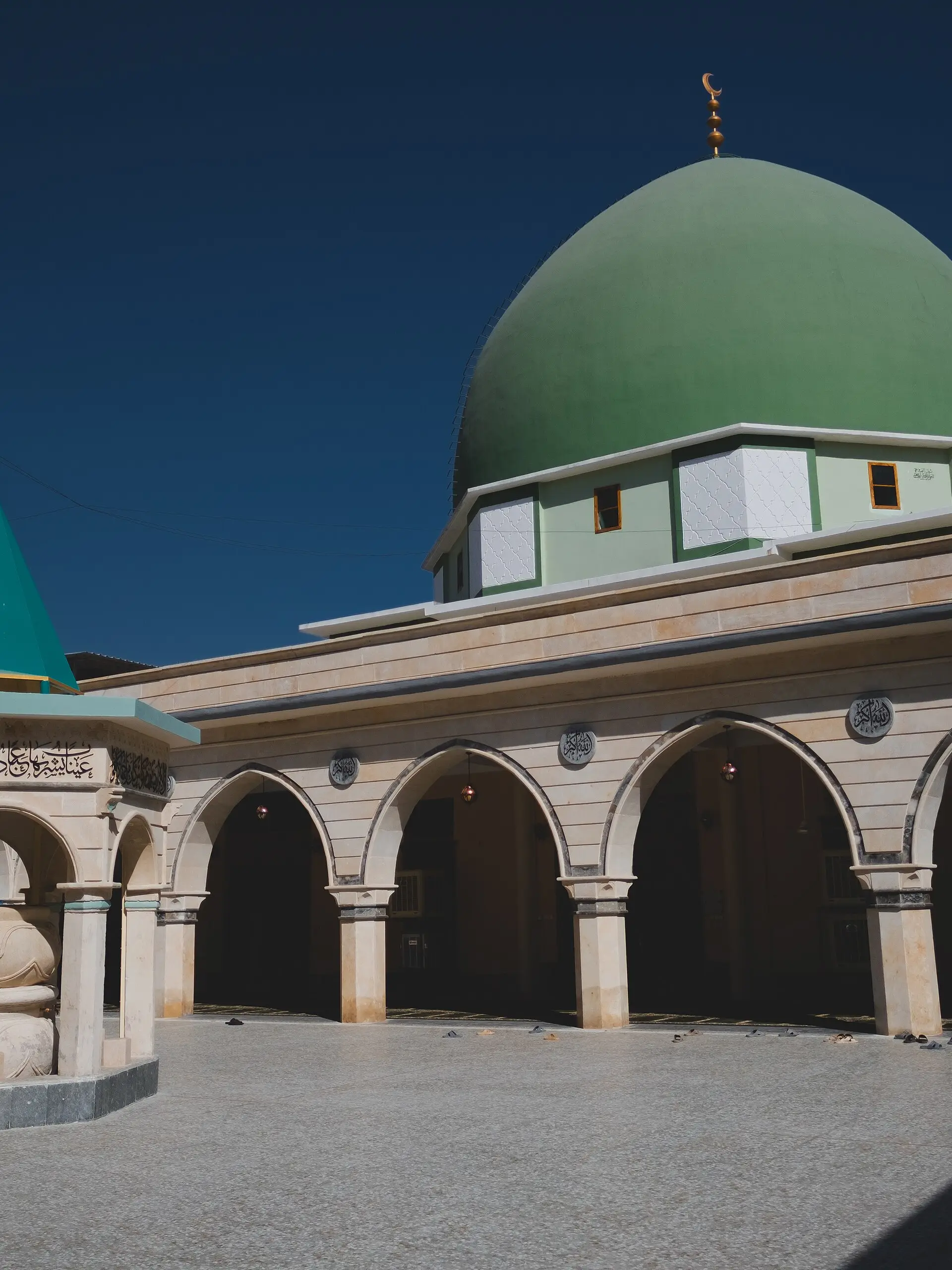
The mosque was visited by a number of travelers, among them Yaqut Al Hamawi who noted in his encyclopedia that it was "beautiful and large," and Ibn Battuta who described its courtyard as containing a dome from which fountain waters rose to the height of a person and then reflected back, creating a beautiful sight.
The mosque was subjected to vandalism during the Mongol occupation of Mosul in 1258 CE, and after the city's liberation, the Governor of Mosul Hussein Pasha Al Jalili maintained and cleaned it.
It then fell into neglect again and was completely demolished while preserving the mihrab, the minaret, and some plaster ornamentations. It was rebuilt in 1942 CE, then in 1944 the Ministry of Awqaf built four new minarets and expanded its area.
In June 2017, the mosque and its Al Hadba Minaret were destroyed by explosives placed by ISIS, the same mosque from whose pulpit the organization's leader Abu Bakr Al Baghdadi declared what he called "the Islamic Caliphate" in the summer of 2014.
After the destruction, excavation works supported by UNESCO with funding from the United Arab Emirates began, resulting in the discovery of the floor of an ancient prayer hall dating to the twelfth century CE, and four underground rooms beneath the mosque that were used for ablution, built with plaster and stone, connected to one another, each room 3.5 meters wide and 3 meters high, located approximately 6 meters below ground level.
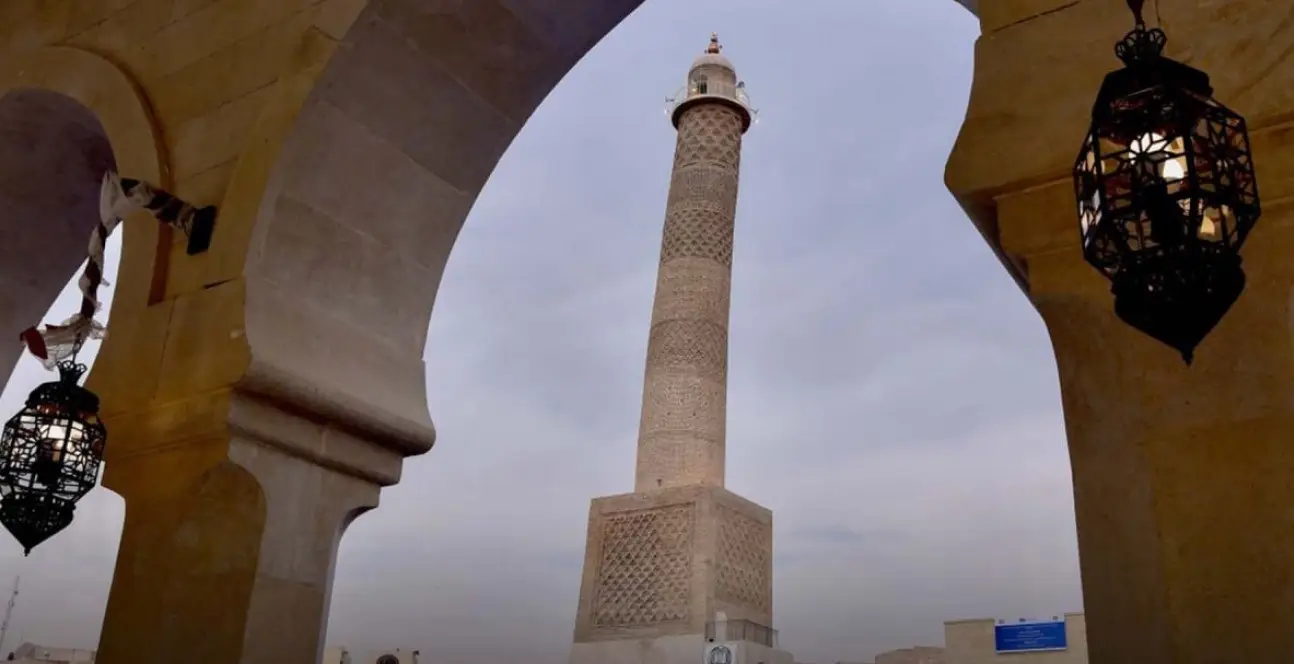
UNESCO worked for five years to restore the mosque and its Al Hadba Minaret. The minaret returned as an original replica with its old stones, its body requiring 96,000 new bricks on the inside, while 26,000 old bricks were used on the outside to preserve its heritage character. Restoration works preserved the minaret's lean exactly as it was in the 1960s, with its foundations reinforced to prevent further increase in the lean. UNESCO Director Audrey Azoulay praised the restoration works, considering them "a return to the city's history and identity." On the seventh of September 2025, the mosque was officially reopened, allowing Mosul to reclaim one of its most prominent historical and spiritual symbols.
The Mosque That Rose Again
4 Min · Arabic · English · Persian · Kurdish (Kurmanji)
Frequently asked questions
What are the opening hours of Al Nouri Grand Mosque ?
Al Nouri Grand Mosque is open 24 hours.
How much does it cost to visit Al Nouri Grand Mosque ?
Admission to Al Nouri Grand Mosque is free.
How long should I spend at Al Nouri Grand Mosque ?
Plan about ~ 40 min for Al Nouri Grand Mosque .
When is the best time to visit Al Nouri Grand Mosque ?
Open year-round; dress modestly and, for a calmer visit, avoid the busiest Friday midday prayers.
Does Al Nouri Grand Mosque have an audio guide?
Yes — a narrated audio guide for Al Nouri Grand Mosque is available in the Travel Tale app.
Where is Al Nouri Grand Mosque located?
Al Nouri Grand Mosque is in Mosul: Near the West Bank of the Tigris River, Grand Mosque Neighbourhood, Mosul.
Hear the full audio story — free in the app
Get app