
Prophet Yunus Hill
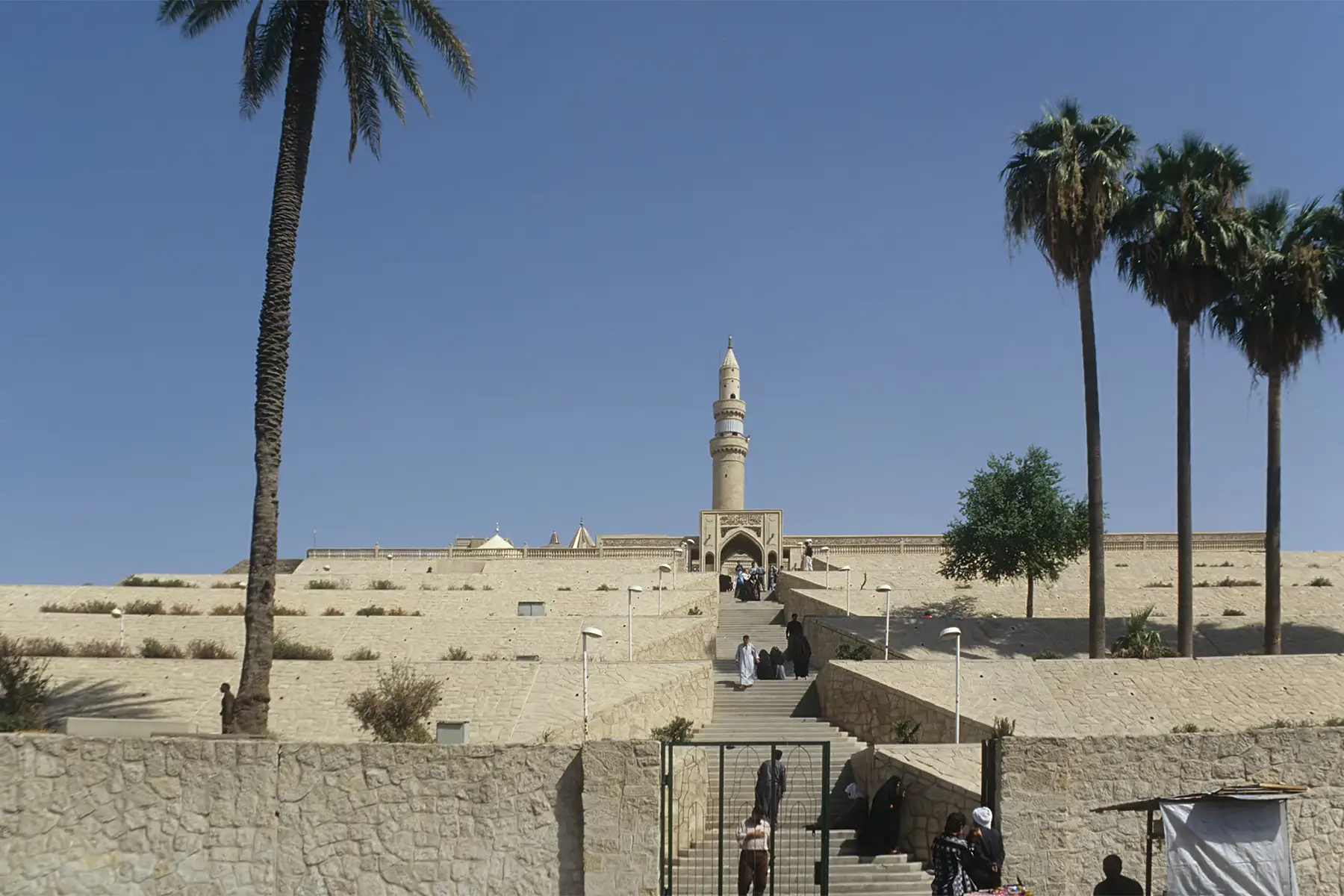
The Mound of Prophet Yunus, or the Mound of Repentance (Tell Al Tawba), is a towering archaeological mound on the eastern side of the city of Mosul, its layers accumulating successive civilizations over thousands of years, making it one of the most diverse and historically deep sites in Mesopotamia.
History recounts that this mound was known as Tell Al Tawba (the Mound of Repentance), where Prophet Yunus and his people stood calling upon God until the punishment was lifted from them.
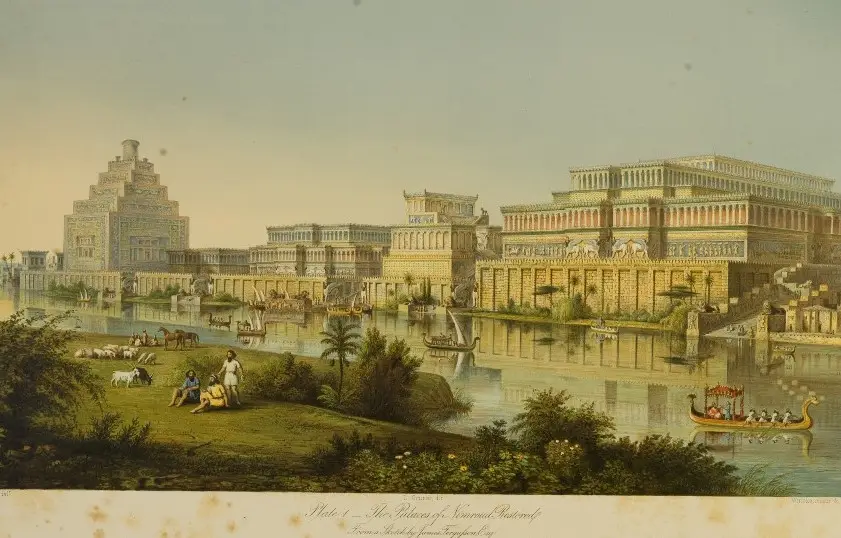
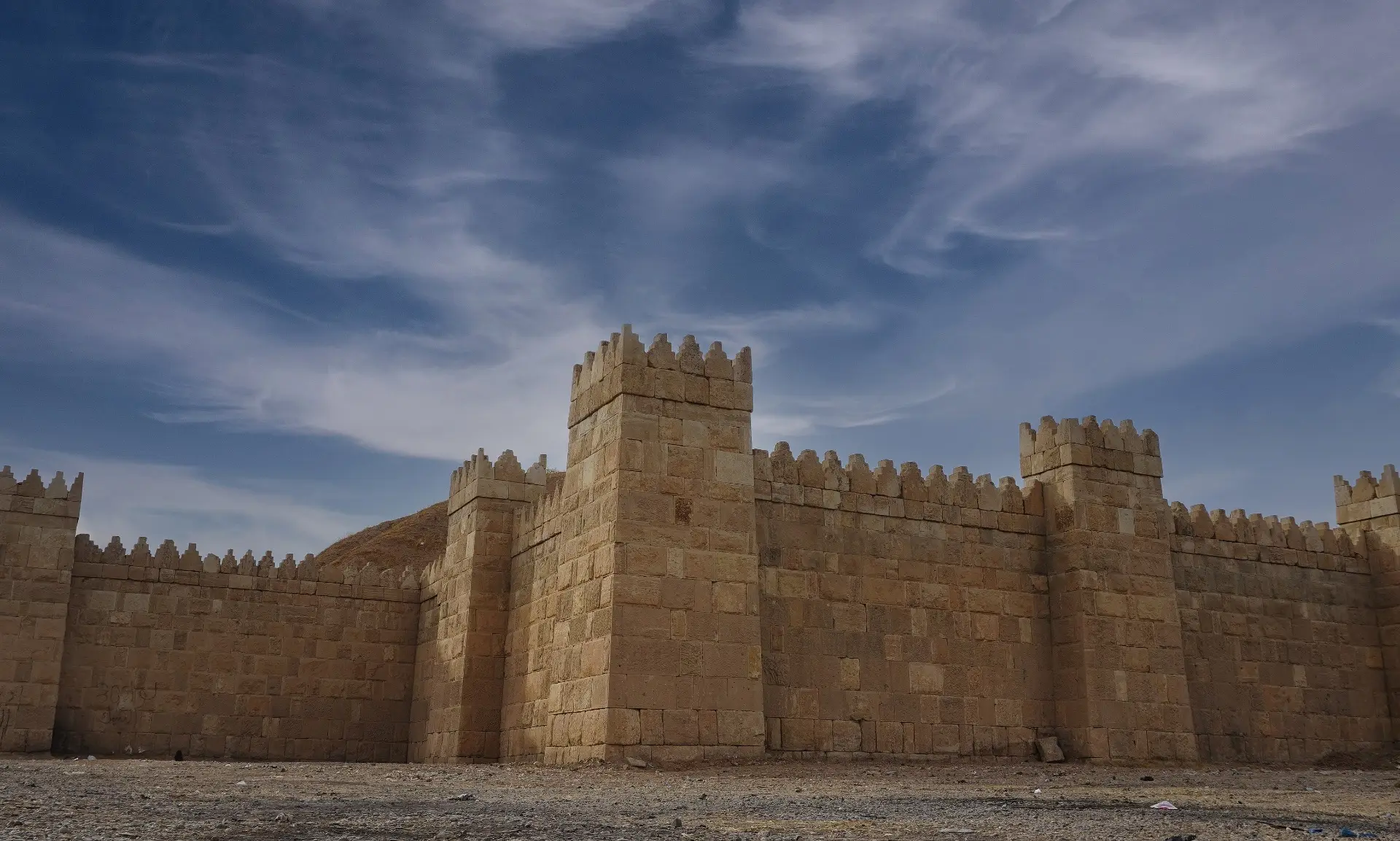
The Assyrians then built one of their most important palaces on this mound during the reign of King Esarhaddon. After the fall of Nineveh in 612 BC the palace was destroyed, but the people of Nineveh built residences, temples, and surrounded it with a wall above it, so it became known as the Eastern Fortress.
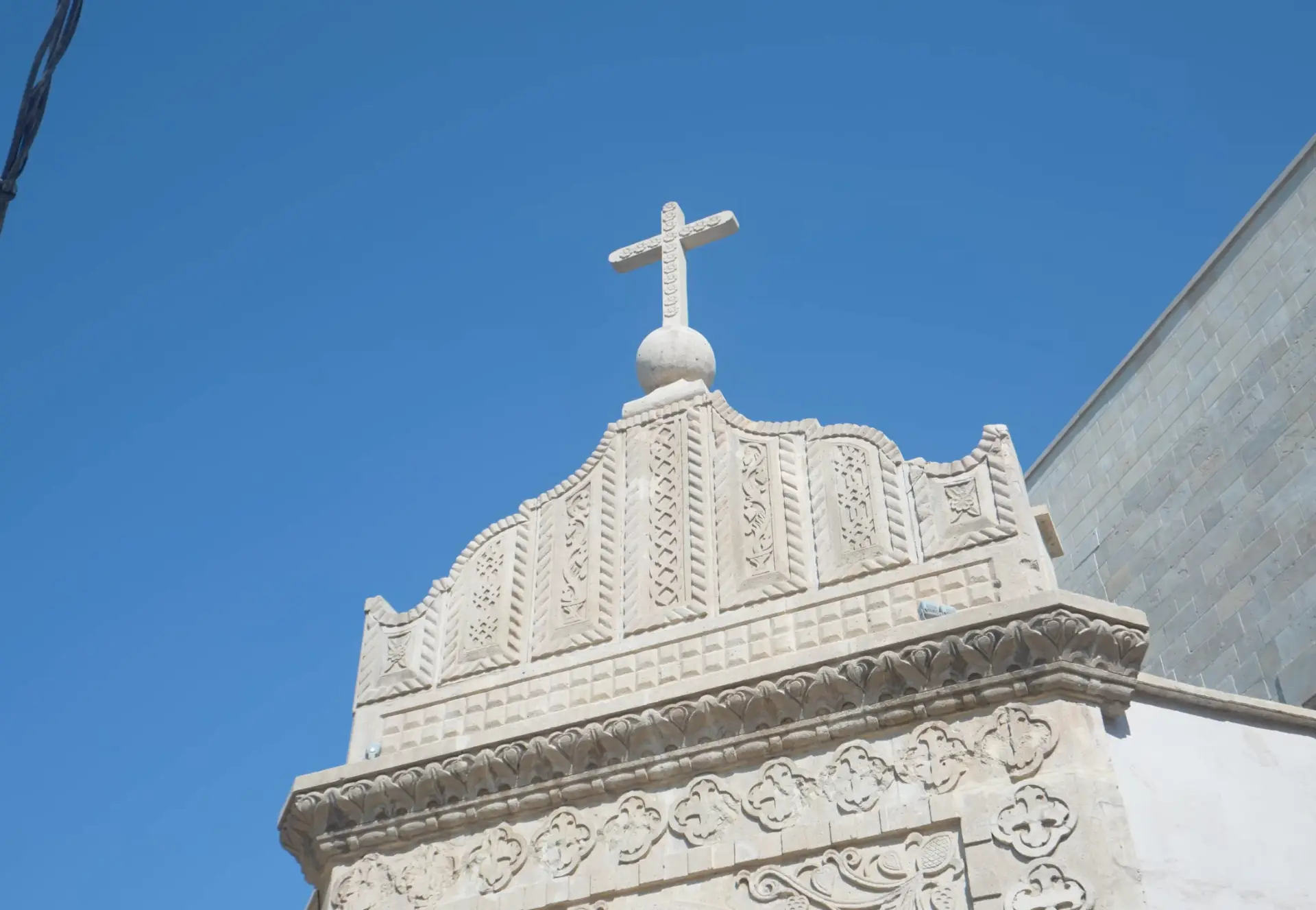
After the spread of Christianity, Christians established a monastery on the site called the Monastery of Prophet Yunus (Jonah). When Muslims opened Mosul they built a congregational mosque beside the monastery, known as the Mosque of Repentance, then the Mosque of Yunus. Lady Jamila, daughter of Nasir Al Dawla Al Hamdani, renovated it and established many endowments for it. The Prince of Mosul Mawdud ibn Tughtekin also established a shrine within it in the early sixth Hijri century.
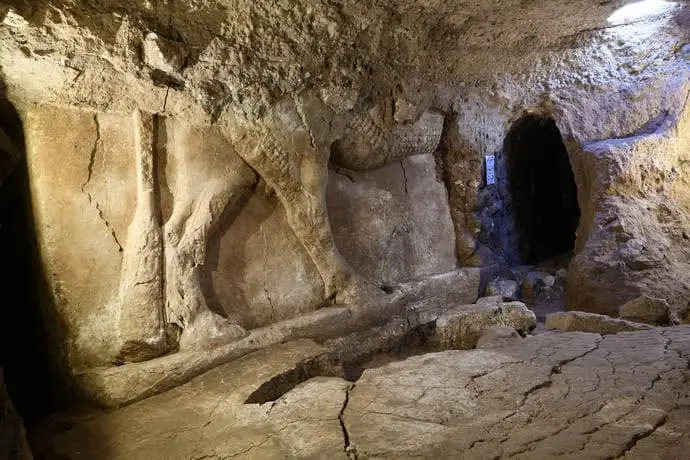
When ISIS detonated the Mosque of Prophet Yunus in 2014 and its members began digging tunnels beneath the mound to access artifacts, those ruins revealed a surprise no one anticipated: a massive ancient winged bull kneeling on its knees in the mound's depths, forty meters underground, one of the Lamassu statues that were the Assyrian guardians of King Esarhaddon's palace gates. These winged bulls with human faces were placed by the Assyrians at every gate of their fortified cities to guard the entrance and ward off evil according to their beliefs.
Accompanying the discovery was the finding of seven marble tablets inscribed with drawings depicting Assyrian soldiers, date palms, pomegranates, and fig trees, dating to the Palace of Sennacherib, buried in the deep layers of this mound saturated with humanity's civilizations. Historians confirm that this successive civilizational overlap does not represent a contradiction but is rather the characteristic of this unique site, which across its successive eras has embraced multiple identities in one place.
A Palace beneath a Sacred Hill
4 Min · Arabic · English · Persian · Turkish
Frequently asked questions
What are the opening hours of Prophet Yunus Hill?
Prophet Yunus Hill is open 24 hours.
How much does it cost to visit Prophet Yunus Hill?
Admission to Prophet Yunus Hill is free.
How long should I spend at Prophet Yunus Hill?
Plan about ~ 45 min for Prophet Yunus Hill.
When is the best time to visit Prophet Yunus Hill?
October–April; spring is especially good for mountain/valley scenery
Does Prophet Yunus Hill have an audio guide?
Yes — a narrated audio guide for Prophet Yunus Hill is available in the Travel Tale app.
Where is Prophet Yunus Hill located?
Prophet Yunus Hill is in Mosul: The Western Slope of Tawba Hill, Prophet Yunus Neighbourhood, Mosul.
Hear the full audio story — free in the app
Get app