
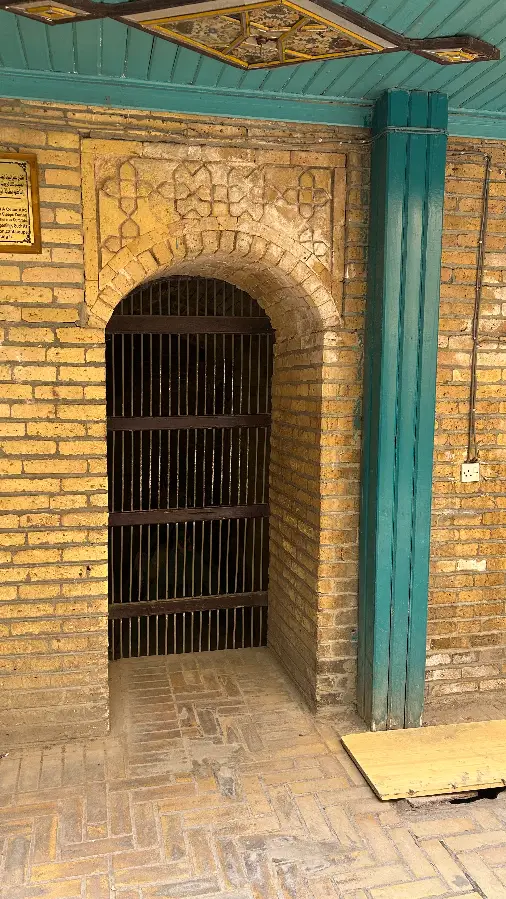
The Cellar
Baghdadi Heritage Museum
“Sirdab”, the basement stands as one of the most prominent architectural features of old Baghdadi houses. It is a room or a set of rooms built underground, designed to serve as a refuge from Baghdad’s blazing summer heat, long before the advent of modern cooling technologies.
“Sirdabs” were constructed at a carefully calculated depth below ground, allowing them to maintain a naturally cool temperature throughout the day. They became the family’s preferred place for sleeping, relaxing, or even enjoying tea and family conversations in a calm and comfortable setting.
The “sirdab” also served practical purposes, especially for storing perishable food items susceptible to heat, such as dates, grains, cheese, and certain beverages. It provided a cool, dark environment ideal for long-term preservation.
Typically located beneath the ground floor, the “sirdab” is accessed via a narrow staircase. Its walls are built from bricks and plaster, which help insulate against heat. Inside, the space is usually furnished with simple rugs and cushions, making it a cozy spot for rest or sleep.
Some heritage homes in Baghdad particularly in neighborhoods like Karrada, Adhamiyah, and Kadhimiyah still preserve these sirdabs as part of their original identity. Yet with modern construction and the widespread use of air conditioning, the “sirdab” has lost its functional role, remaining instead as a silent testament to the ingenuity of traditional Baghdadi architecture in facing the harshness of the climate.
The Cellar
Arabic · English
Hear this stop narrated — free in the app
Get app