
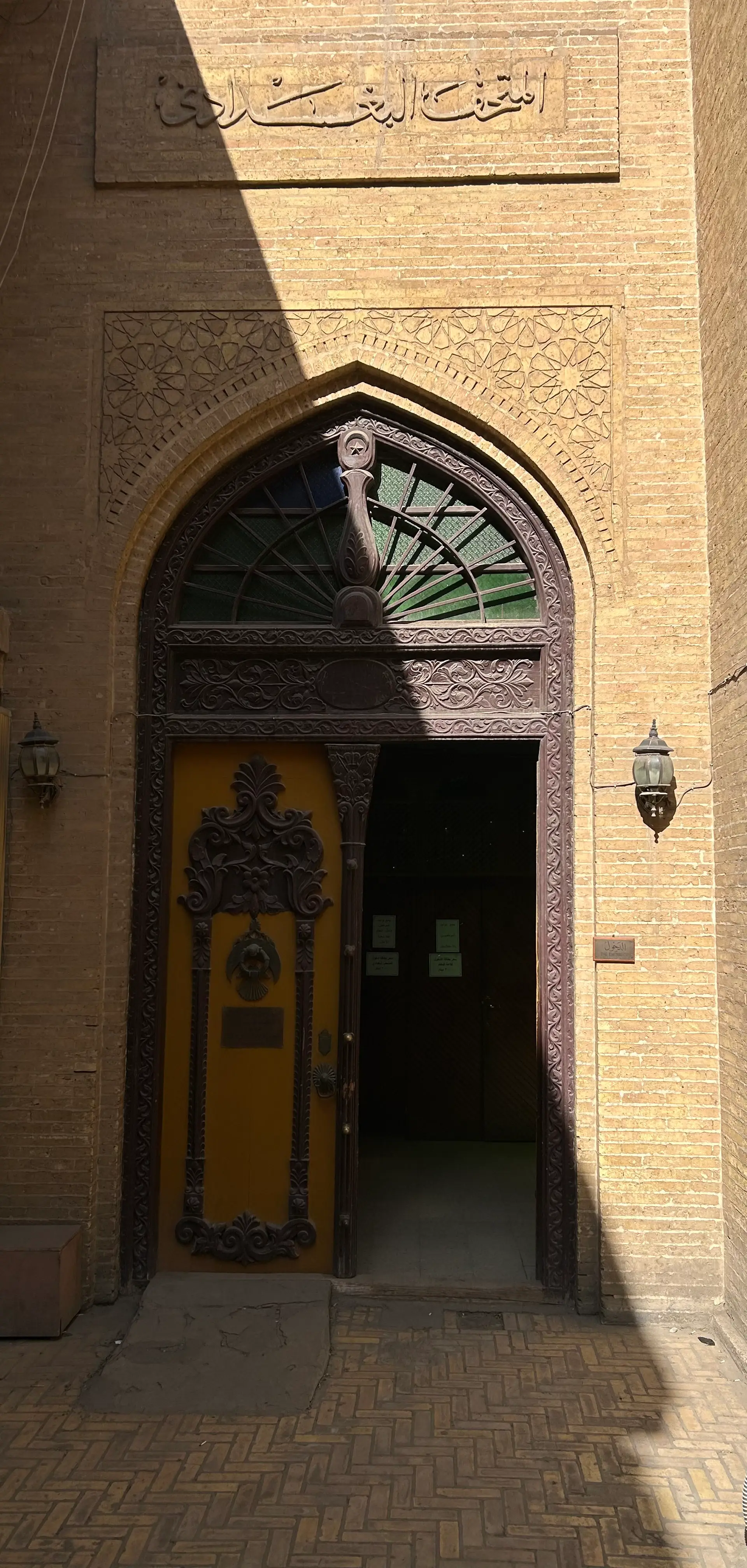
Baghdadi Heritage Museum
The museum is located in a historic building that is over 150 years old, dating back to 1869 during the Ottoman era.
The building was originally constructed as a printing house affiliated with the province of Baghdad, then turned into a prison during the monarchy, before finally finding its true identity as a museum that documents the features of authentic Baghdadi identity.
The museum contains more than 70 wax scenes, depicting daily life in old Baghdad: artisans in their markets, women in their homes, literary gatherings, social rituals, and performances of Baghdadi maqam music all vivid scenes pulsing with the spirit of the city, redrawing the details of a society once full of solidarity, elegance, and art.
The museum’s role is not limited to visual display; it also serves an important educational and cultural purpose, aiming to introduce new generations to their heritage and encourage them to preserve the cultural spirit of Baghdad.
The museum also includes a valuable library containing more than 4,412 books, covering the ancient and modern history of Baghdad, along with rare collections of Iraqi newspapers, enhancing its role as an important research and documentation center.
Mirror of Old Baghdad Life
3 Min · Arabic · English
79 stops to discover
- 1Premium
Alaa Al Din Al Shibli Hall
“Alaa Al Din Al Shibli” (1943–2015) was one of the most prominent Iraqi visual artists who documented the everyday features of Baghdadi life. His passion for drawing began in elementary school, influenced by the theatre artist “Juma Al Shibli” and the art teacher “Idan Al Sheikhli”, before he forged his own path in the art world and established his name among the leading Iraqi artists. “Al Shibli” later became the director of the Baghdad Museum, where he contributed to its development by adding new scenes that depicted traditional Baghdadi trades and customs. Under his care, the museum’s halls were transformed into a vibrant space pulsating with the spirit of the city, as he documented the lives of Baghdadis through paintings and models that conveyed the details of the past with great accuracy and warmth. He presented dozens of exhibitions inside Iraq and abroad, and many artists who graduated under his guidance continued to enrich the Iraqi art movement. For more than fifty years, he devoted part of his soul to Baghdadi art, leaving behind a rich visual legacy portraying the alleys, trades, and daily rituals that shaped the identity of Baghdad. On the first anniversary of his passing, the Baghdad Museum named one of its halls after him in honor of his great contributions to the museum and to Baghdadi heritage. The hall contains original paintings by the artist and visual scenes that simulate the lives and old professions of Baghdad’s residents, creating a blend that captures the city’s memory and its popular spirit. The hall also features brass and wooden trays and tables in the old Iraqi style, which were once common in traditional cafes and Baghdadi homes. These items were typically used to serve tea or coffee and are adorned with geometric engravings and Eastern motifs inspired by Islamic art adding authenticity and warmth that harmonize with “Al Shibli”’s paintings.
- 2Premium
Baghdadi Chalghi
The “Baghdadi Chalghi” is considered one of the most traditional musical arts whose roots have extended deep into Iraq for many years up to the present day. It resembles a Baghdadi musical ensemble, as “Chalghi” groups perform the Iraqi Maqam during both private and public events and celebrations. These groups are distinguished by wearing attire inspired by Iraqi heritage or formal clothing. Their members often wear the “sidara", creating a scene that reflects the features of the past and preserves its identity. The “Baghdadi Chalghi” plays an important role in reinforcing Iraqi cultural identity by preserving old traditional melodies and songs and passing them on to new generations. This art form remains strongly present in Iraq today, performed by specialized groups at festivals and heritage events, and featured in musical programs in some cafes and cultural centers allowing the echoes of the past to remain alive at the heart of the present.
- 3Premium
Zakariya Night
“Zakariya” is one of the deeply rooted popular traditions in Iraq, celebrated on the first Sunday of the month of Shaban in the Hijri calendar. Known as “Zakariya Night,” Iraqi families are keen to observe it as an expression of joy, optimism, and prayers for sustenance and righteous offspring. It is said that the origin of this occasion goes back to the story of Prophet “Zakariya” (peace be upon him), who prayed to God for a child despite his old age. God answered his prayer and granted him Prophet “Yahya” (peace be upon him). From this story, the tradition became associated with goodness, blessing, and prayers for children by those who await offspring. The rituals of celebration begin with preparing the “Zakariya Tray,” a table adorned with colors of joy, which includes: •Sweets, nuts, and colorful fruits such as pomegranate, apples, and bananas. •Traditional dishes like “zarda” and “halawa”. •A bowl of water decorated with candles and flowers. •Henna drawn on hands, especially for children. The family gathers around this festive spread, candles are lit, and prayers of blessing and goodness are recited, filling the atmosphere with hope and spirituality. This tradition remains alive in Iraqi households today, especially among families who hold firmly to heritage and customs. “Zakariya Night” has become a cherished occasion that strengthens family bonds and passes these cultural practices on to future generations.
- 4Premium
The Baghdadi Weaver
In old Baghdad, the profession of “the weaver" was among the most prominent folk occupations, playing an important role in people's daily lives through the manual production of textiles using the traditional loom. "The Baghdadi Weaver" mastered transforming cotton, woolen, or silk threads into fabrics used in making clothes, covers, and carpets. This craft formed a primary source for the clothing worn by common people, making it a necessary profession in Baghdadi society at that time. With the advent of the industrial age and the development of modern machinery, this profession began to gradually decline. However, it is still considered an important part of Baghdadi folk heritage, retaining its place in cultural memory and sometimes being displayed at festivals or museums. Through heritage photographs, one can see men wearing traditional clothing and working on "hand looms", the main tool in the weaving process. Geometric patterns also appear on some frames or pieces, traditional textile designs used in making Iraqi carpets, rugs, floor coverings, and shawls. These ornamentations are not merely aesthetic elements, but carry the imprint of place and identity, reflecting the artistic patterns for which Baghdad and other Iraqi regions were famous. The weaver's profession remains a witness to the precision of the Iraqi hand and the richness of its living heritage.
- 5Premium
Al Qasim's Bride
“The Al Qasim Bride” scene is one of the most emotional traditional rituals performed in Baghdadi Hussaini gatherings. It is held in remembrance of the symbolic wedding of “Al Qasim Ibn Al Hasan” (peace be upon him) during the events of Karbala, where this ritual represents themes of sacrifice and devotion. In this depiction, “Al Qasim”, is presented as a young groom who is led not to a real wedding, but to the battlefield, symbolizing the “martyr groom.” A casket decorated in green and white is carried among mourning processions, representing a sorrowful, grief-filled “wedding” with no joy in it. Some children or youths wear white or green garments symbolizing innocence and martyrdom. The gatherings are adorned with flowers and candles, and in some areas, sweets and henna are distributed as symbolic elements of “Al Qasim's Wedding,” though the scene remains overwhelmingly somber and mournful rather than festive. This ritual captures the stance of “Al Qasim”, who despite his young age did not hesitate to sacrifice himself in support of “Imam Al Hussein”, becoming a “groom of Paradise” instead of celebrating a worldly wedding. “The Bride of Al Qasim” scene continues to be performed annually during Ashura rituals in Baghdad, attended by Baghdadi families with profound emotional engagement. It has become one of the most significant and enduring Ashura symbols in the Iraqi Shi‘i collective memory.
- 6Premium
The Afternoon Gathering
The Afternoon gathering, popularly known as “Al Asruniyya,” is one of the most beautiful social traditions that distinguish Baghdadi and Iraqi society. It is a warm, friendly session that brings together family and friends in a relaxed atmosphere, usually held after the afternoon prayer and before sunset. In old Baghdadi homes, the "Asruniyya” would take place in the courtyard “al hush” or on the rooftop, where tea flowed under the golden sunlight. Today, these gatherings are held in home gardens or inside traditional cafés, all while preserving their original spirit. During “Asruniyya”, drinks and foods that enhance the warmth of the meeting are typically served, such as: •Strong Iraqi tea, brewed over charcoal or using a samovar. •Fresh bread with “geymar” and honey, or “Iraqi kleicha”. •Seasonal fruits like watermelon or dates, especially in summer. •Cold, refreshing Erbil yogurt. Guests exchange daily news, reminisce about old memories, and often discuss politics or local Iraqi football matches. Some families add a spiritual touch by reciting Quran or listening to traditional poems and heritage chants. The Asruniyya also features popular games such as: •Backgammon “Tawli” •Dominoes •Playing cards It serves as an ideal moment of rest from the day’s concerns and an opportunity for connection across generations, where both young and old gather at the same table. In working-class neighborhoods, young men might meet in alleyways or cafés to spend this time of day in a simple and peaceful ambiance. Despite changing lifestyles, the spirit of the “Asruniyya” still lives in the hearts of Iraqis whether in homes or modern cafes keeping alive the warmth and closeness that have long defined Iraqi social life.
- 7Premium
Umm Al Jawin
In Baghdad’s popular memory, the image of “Umm Al Jawin”,Mother of the Jawin. stands out as a simple woman who, through her determination and effort, embodied the spirit of manual labor in everyday life. She worked in grinding grains and spices by hand using a tool called the “jawin”, a large mortar made of stone or copper, used with a heavy pestle to crush grains, spices, and even some traditional medicinal materials. Before the spread of electric grinders, the “jawan” was an essential tool in every Baghdadi household, especially in the popular alleys and markets, where “Umm Al Jawin” would sit in front of her home or in the alley, offering her grinding skills to people for a small fee. Women would seek her out to grind wheat, barley, cardamom, cumin, cinnamon, and other materials that required precision in grinding and richness in flavor. In the mornings of old Baghdad, the sound of the “jawin” pounding would echo through the alleys, announcing the start of a new workday and adding a distinctive spirit to the neighborhoods. This sound became associated in the popular imagination with “bringing good fortune and livelihood” and came to symbolize honorable toil and hard work. With time, this profession gradually declined following the advent of electric grinders and the spread of ready-made spice shops. Yet, “Umm Al Jawin” remains alive in the memory of Iraqis, a symbol of simplicity and perseverance. The “jawan” can still be found in some heritage markets, where it is sometimes used for demonstration purposes to revive the profession and remind people of the beauty of those days allowing “Umm Al Jawin” to remain a witness to a chapter of Baghdadi popular heritage.
- 8Premium
Women Baker
In the alleyways of popular Baghdad, the role of the baker was one of the oldest and most vital professions, a pillar of daily life that could not be dispensed with. Bakeries, locally known as the clay tannour or the oven, formed a familiar scene in every neighborhood and alley, where people would gather in the mornings to buy fresh bread and exchange news. This profession was not exclusive to men; some Baghdadi women practiced it as well. They would bake bread in their homes and then sell it in the markets. After baking, the bread would be placed on wide trays called “al tabak”, woven from palm fronds, and carefully carried to the places of sale. Bakeries served as social gathering points not only for purchasing bread, but also for sharing conversations and neighborhood news. “The baker” was considered a respected and beloved figure, thanks to their essential role in providing a basic staple for every household. Despite the passage of time, some bakeries in Baghdad still preserve the traditional clay tannour, baking bread in the same way that Baghdadis have handed down for generations. However, most modern bakeries now rely on electric or gas ovens, especially in larger cities. Though the tools have changed, the scent of Baghdadi bread remains an indelible part of memory, a symbol of warm homes and neighborhood spirit, and a craft that still carries the flavor of the land and its people.
- 9Premium
The Cellar
“Sirdab”, the basement stands as one of the most prominent architectural features of old Baghdadi houses. It is a room or a set of rooms built underground, designed to serve as a refuge from Baghdad’s blazing summer heat, long before the advent of modern cooling technologies. “Sirdabs” were constructed at a carefully calculated depth below ground, allowing them to maintain a naturally cool temperature throughout the day. They became the family’s preferred place for sleeping, relaxing, or even enjoying tea and family conversations in a calm and comfortable setting. The “sirdab” also served practical purposes, especially for storing perishable food items susceptible to heat, such as dates, grains, cheese, and certain beverages. It provided a cool, dark environment ideal for long-term preservation. Typically located beneath the ground floor, the “sirdab” is accessed via a narrow staircase. Its walls are built from bricks and plaster, which help insulate against heat. Inside, the space is usually furnished with simple rugs and cushions, making it a cozy spot for rest or sleep. Some heritage homes in Baghdad particularly in neighborhoods like Karrada, Adhamiyah, and Kadhimiyah still preserve these sirdabs as part of their original identity. Yet with modern construction and the widespread use of air conditioning, the “sirdab” has lost its functional role, remaining instead as a silent testament to the ingenuity of traditional Baghdadi architecture in facing the harshness of the climate.
- 10Premium
The House Bathroom
The home bath “Hammam” in old Baghdad was a fundamental element in house design combining simplicity with practicality, while ensuring privacy and comfort for all family members. It was not merely a place for bathing, but a part of daily culture, closely tied to cleanliness and family rituals. The bath was typically built in a secluded corner of the interior courtyard "al hush", or at the end of a long hallway, and sometimes near the “sirdab” (basement), in order to maintain privacy. Architecturally, the hammam featured walls made of yellow bricks, coated with plaster or adorned with blue tiles, giving it a clean and bright appearance. The floor was usually made of stone or brick, resistant to slipping and moisture. The ceiling was often domed or sloped, to facilitate ventilation and prevent steam buildup especially important during winter. In the absence of modern heating systems, Baghdadis used traditional methods to store and heat water: •Water was stored in large clay jars “hibb” to keep it cool. •A metal bowl “tasa” was used to pour water during bathing. •In winter, water was heated on a copper stove or portable brazier fueled by coal, and then transferred to the bath area. •Some homes featured a primitive metal tank known as a dust, which was heated using coal or firewood. Despite advances in construction and technology, this type of traditional bath still exists in some heritage districts and old Baghdadi neighborhoods standing as a testament to the artistry of folk architecture and the ingenuity of adapting to Baghdad’s harsh climate, both in summer and winter.
- 11Premium
Circumcision
In old Baghdad, “tahour” circumcision was considered one of the major social occasions, carrying both ceremonial and festive significance. It was more than a medical procedure; it was a rite of passage symbolizing a boy’s transition from childhood into the early stages of manhood, within a framework of deep-rooted customs and traditions. Families would prepare for this event well in advance, choosing a blessed day to hold it often during the months of “Rajab” or “Shaban”, or on festive holidays, due to the spiritual and communal joy associated with those times. Invitations were extended to relatives and neighbors, banquets were held, and traditional sweets such as “zalabiya” and “baklava” were distributed all in a setting filled with joy and communal celebration. The boy was dressed in luxurious new clothes, usually a white embroidered “jellabiya”, and his head adorned with a small turban. In some neighborhoods, he would be paraded on a decorated horse, led by a procession of relatives carrying incense and candles, while drums beat and folk songs were sung in celebration. The circumcision itself was performed by a traditional barber or a local folk healer. The child would sit on the lap of a relative, and simple tools sterilized using traditional methods were used for the procedure. This event served as a powerful moment of bonding and neighborly love, as family and community gathered around the boy in an atmosphere of support and happiness, reflecting the communal spirit that once defined Baghdadi life. Though times have changed, the memory of "tahour" remains etched in the hearts of Iraqis a ritual embodying early manhood and social solidarity in traditional Baghdadi society.
- 12Premium
Pigeon Keeper
In the old memory of Baghdad, “Mutairchi”, the pigeon keeper was a unique and beloved figure an enthusiast of homing pigeons, known for his deep passion for these birds and his skill in training them and sending them on long flights, whether for leisure or, in earlier times, to carry messages. The hobby of pigeon keeping was an integral part of Baghdadi culture and a source of pride among “Mutairchiya”, the pigeon keepers, who held a special place in society due to their expertise, patience, and spiritual bond with the birds. Their world was filled with a spirit of competition, as each prided himself on owning the most beautiful, fastest, and smartest pigeons. Some were humble and ordinary folk, while others were merchants or wealthy men who collected rare breeds and proudly showcased them in gatherings. The rooftops of homes became the stage for this passion, where cages were set up and pigeons were released into the sky, followed by the admiring gazes of neighbors and friends. People saw in the “Mutairchi” a symbolic link between earth and sky, between home and the vast open space above. Though lifestyles have changed, the hobby still lives on in some traditional neighborhoods of Baghdad and other Iraqi cities, albeit with less prominence than it once enjoyed. Yet the story of the “Mutairchi” remains a living chapter of heritage, one that continues to soar in the collective memory.
- 13Premium
The Cup Reader
In Baghdadi women’s gatherings, the coffee cup reader “Qari’at Al Finjan” was a beloved figure who received special attention and formed part of the social rituals that brought women together for conversation and entertainment. Cup reading was not merely a means of predicting the future; it was a social custom practiced during coffee gatherings. Women would sit together around cups of Arabic coffee, sharing stories, while the cup reader interpreted the symbols and lines formed at the bottom of the cup after it was emptied. The topics discussed often revolved around engagements, marriage, work, or personal news adding a sense of curiosity and amusement, and opening the door to storytelling and sharing personal experiences. In this way, the cup reader became woven into the fabric of women’s social life, an example of how folk traditions blended with collective spirit to create unforgettable moments of intimacy, laughter, and heartfelt conversation in the old homes of Baghdad.
- 14Premium
Ibrahim’s Mother Family
The story of "The Mother in Law and the Daughter in Law" is one of the well known tales in Iraqi society. It reflects the often complex relationship between a mother in law (the mother of the son) and a daughter in law (the son’s wife), a relationship that may be filled with conflict and rivalry, or understanding and affection, depending on upbringing and circumstances. Ever since “Ibrahim” got married, things began to change. He started spending most of his time with his wife, sitting with her in their room, laughing, and talking about things his mother didn’t know about, as if his whole world now revolved around his wife. This didn’t go unnoticed by Ibrahim’s mother. One day, as “Ibrahim” was sitting with his wife, chatting in their room, his mother stood outside the door and started shouting: “Walay, my son! You shut the door on yourselves, what’s going on? What do you have that’s so important? Why are you so glued to her? Haven’t you had enough of her already?”
- 15Premium
Ibrahim’s Room
This scene captures the moments immediately following a wedding in a traditional Baghdadi home, where the bride appears in elegant attire, and the groom sits quietly, a scene brimming with modesty and tenderness, reflective of the atmosphere that once characterized the early nights of marriage in Baghdad. This type of portrayal mirrors the social traditions of Baghdadi marital relationships, especially in the early days, which were founded on respect, shyness, and tranquility. In the background, the ornately decorated bed with red curtains stands out as a central feature in the Baghdadi bridal chamber. Families would take great care in decorating the bedroom with colorful fabrics and embroidered drapes, arranging the bed in a refined manner that embodied joy. The color red was seen as a symbol of happiness and delight, used especially for the wedding night. “Ibrahim”, the groom, wears a white dishdasha and a skullcap, an outfit that conveys dignity and composure, particularly among men beginning their married lives. The bride wears a shimmering purple robe, highlighting the Baghdadi woman’s attention to elegance and beauty, especially in the early days of marriage. With its rich details, this scene encapsulates the essence of Baghdadi wedding culture where colors, ornamentation, and modest affection come together to form a vivid memory of beautiful beginnings and the warmth of traditional Baghdadi homes.
- 16Premium
Salt Men's Bath
“The salt bath” was one of the most prominent social traditions in old Baghdadi society. It was a type of traditional public bathhouse reserved for men, and it served not only as a place for cleanliness, but also as a communal space for relaxation, socializing, and rejuvenation. The bath earned its name due to the intense heat of the steam and the extremely hot water, which caused the body to sweat profusely creating a sensation akin to sitting in saltwater. It was widely believed that this type of bath opened the skin’s pores and helped expel toxins, and it was considered beneficial for physical health, particularly for relieving joint pain and rheumatism. Visiting “the salt bath” was not a random act; it was a regular ritual for some men, and a special rite for grooms before their wedding day. The groom would go to the bathhouse with his friends in a festive atmosphere filled with prayers, joy, and a cleansing of both body and soul. A key figure in this experience was the “mudallakchi”, the specialist in massage, exfoliation, and muscle stretching. The “mudallakchi” played a crucial role in the bathhouse, providing services that enhanced the visitor’s experience and instilled a sense of relaxation and care. Although the number of public bathhouses in Baghdad has diminished with the rise of private bathrooms and modern wellness centers, a few old bathhouses still remain in traditional neighborhoods. Elderly men still frequent them with longing, in search of warmth both physical and nostalgic in the steam of memory.
- 17Premium
Groom's Procession
“Zaffat Al Arees” the groom’s wedding procession in old Baghdad was more than just a festive parade. It was a rich social tradition filled with ceremonial flair and cultural symbols, embodying pride in a young man’s transition into married life and expressing the collective joy of the community. A wedding was never just a private affair; it was a public event where family, neighbors, and friends all took part. Celebrations could stretch over several days, filled with rituals, ululations, and generous feasts. "The Baghdadi Zaffa” in particular was known for its uniquely theatrical nature, bold songs, popular “hawasat” (chants), lanterns, drums, and reed flutes. It was common to see the groom paraded through the neighborhood on a decorated horse draped with embroidered fabrics and colorful ribbons, a scene symbolizing chivalry and manhood. One notable tradition in the "Baghdadi Zaffa” was for one of the neighborhood boys or youths to break several clay jugs “abraq” at the exact moment the groom exited the mosque after the marriage contract was signed, or after the evening prayer on the night of the wedding. This act was believed to bring good luck and ward off envy, symbolizing a fresh start for the groom breaking away from misfortune and past troubles. Although the appearance of the “Zaffa” has changed today, many of its elements still survive in Baghdad’s traditional neighborhoods and rural areas though now in modern forms, such as luxury cars replacing horses, and recorded music replacing live instruments. Still, the spirit of the "Baghdadi Zaffa”, with all its joyful noise, rituals, and cultural pride, remains alive in the collective memory, echoing the joy of Baghdad in its own authentic voice.
- 18Premium
The Tuky Game
This game is considered one of the oldest traditional games played by children in Baghdad and other Iraqi cities. It was typically played in narrow alleyways and dusty open yards, forming a cherished part of the collective memory of childhood. Although it was most commonly associated with girls, it wasn’t exclusive to them, boys also participated in some areas, drawn by the game’s simplicity, fun, and physical interaction. The game helped develop balance, focus, and agility. It required no complex tools or special equipment, which made it accessible to children from all social backgrounds, with no barriers to entry. Today, despite the evolution of play and modern entertainment, this traditional game is still practiced in some popular neighborhoods or during cultural festivals that aim to revive old customs. It remains a joyful and simple expression of Iraqi folk heritage, a reminder of a time when play brought the community together with laughter and movement.
- 19Premium
The Jump Rope Game
“Jump rope” is one of the most beloved traditional games that was widely played by children in Baghdad and across Iraqi cities especially among girls thanks to its simplicity and the spirit of togetherness it fostered. All it required was a long rope and a few friends. The game was played in two main ways: In the group version, two players would hold the ends of a long rope and spin it in a circular motion, while one or more girls would jump into the center, trying to hop lightly without letting the rope touch their feet. In the solo version, a girl would use a short rope and jump alone, aiming to achieve as many consecutive jumps as possible without interruption. Folk songs and rhyming chants often accompanied the jumping, adding a cheerful and competitive atmosphere, while also enriching the children’s language and sense of rhythm. Despite the rise of modern electronic games, "jump rope" remains present in some schools and public spaces especially in traditional neighborhoods as one of the cherished symbols of Iraqi childhood heritage, blending physical activity, joy, and social connection.
- 20Premium
Bride's Procession
“The bride’s wedding procession” is one of the most radiant expressions of joy and festivity in Iraqi culture. It blends happiness, singing, and folk traditions into an unforgettable scene of beauty and communal spirit. The rituals traditionally begin at the bride’s home, where women from the family and neighborhood gather around her in a warm circle filled with affection and celebration. Everyone wears embroidered gowns in bright, festive colors as a joyful expression of the occasion. The bride sits in the center of the room, surrounded by friends and relatives, adorned with gold jewelry and fresh flowers. The air is filled with the scent of incense and oriental perfumes, while “zagharid” (ululations) echo throughout the house a declaration that the wedding night has begun. The women begin to dance around the bride to the rhythms of traditional Iraqi songs, ranging from “mawwal” to lively celebratory tunes. These melodies are accompanied by group “dabka” dances and rhythmic clapping, adding a strong sense of joy and unity to the scene. As the groom’s arrival draws near, the tempo changes and excitement builds. When the moment comes, the bride takes the hand of her father or brother and walks out with graceful steps, surrounded by cheers, ululations, and heartfelt prayers for a life filled with happiness and peace. It was customary for weddings to take place on Thursdays or Fridays, as these days marked the weekend allowing friends and family to attend and share in the celebration. “The Iraqi bride’s zaffa” is more than just a moment of festivity; it is a reflection of a rich heritage, showcasing the authenticity of the community and its collective joy, passed down from generation to generation.
- 21Premium
Baghdadi Cafe
“The Baghdadi Cafe” then and now is far more than just a place for tea or coffee. It is an open, popular club where men and youths of the neighborhood, craftsmen, and merchants gather, forming a tightly knit social fabric that reflects Baghdad’s life across different eras. The first cafe in Baghdad dates back to 1590. Cafes were unknown during the Abbasid period and first appeared in customs warehouses connected to the Mustansiriya School. The scene then evolved: in 1604, Hasan Pasha’s Cafe was built near the Wazir Mosque, and by 1834, Baghdad was bustling with cafes, which had become hubs for entertainment and popular interaction. Cafes welcomed both young and old. Some patrons smoked the “nargila” (hookah), others sipped Iraqi tea or coffee. Games like chess and “tawli” (backgammon) were played, and captivating tales were told by “qassasin” “professional storytellers). “Iraqi maqam music” had a strong presence in cafes until the arrival of photography, radio, and television. In a remarkable visual reenactment of cafe heritage, lifelike statues portray iconic Baghdadi cafe scenes: •The Grilled Liver Vendor: Standing in a corner, grilling liver over charcoal is a beloved delicacy served in cafes, especially with bread and spices. •The Cockfight Wager: A snapshot of an old betting tradition, where two “Harati” (cocks a prized Indian breed) fight. The loser must buy grilled liver for the winner, a common practice at the time. •The “Afaandi” and the Shoeshiner: Another statue shows an elegant “afaandi” (a symbol of the educated middle class) seated with poise as a shoeshiner tends to his shoes, a daily cafe scene reflecting social interaction. •”Siniyah” (The Tray Game): A vivid statue of one of the most popular memory and luck games. Inverted cups are arranged on a tray with small objects hidden underneath. After swift, skillful shuffling, players must guess where the items are hidden. Behind the cockfight statues, a group of young men is depicted playing “Mahibis” one of Iraq’s most beloved group games, especially during Ramadan. “Mahibis” are played between two teams. “Mahbis” (a ring) is secretly hidden in the hand of a player from the first team, while everyone keeps their hands closed. The opposing team must guess which hand holds the ring, relying on facial cues and subtle gestures. A point is awarded for each correct guess, and the game continues through multiple rounds until a team accumulates the most points. To this day, traditional cafes remain a fixture in Baghdad, bearing witness to a long history of gathering, play, conversation, and artistry. Each cafe is like a miniature stage, portraying scenes from everyday heritage and standing as a vital element in understanding the rich social life of old Baghdad.
- 22Premium
Peep Show Box
“Sunduq Al Dunya” literally (The Box of the World) was one of the most captivating forms of popular entertainment in old Baghdad, especially in bustling markets and public squares such as Shorja, Ghazl Market, and Saffafeer Market. This box offered a primitive kind of cinema, a traveling visual theater that blended storytelling with moving images. “Sunduq Al Dunya” was a decorated wooden box, fitted with small glass lenses or circular peepholes through which viewers would gaze upon drawn or printed images that depicted folk tales, historical scenes, epic battles, stories of prophets, or legendary adventures such as Ali Baba, Sinbad, or Antar and Abla. Inside the box was a long paper reel with pictures fixed along its length. The box-keeper, often a storyteller “hakawati” would rotate the reel manually, causing the images to scroll one after another, creating the illusion of motion. Magnifying lenses enhanced the details, adding a sense of visual wonder, especially for children and adults unfamiliar with modern visual effects. The exterior of the box was often vividly painted in colors like red, green, and gold, adorned with eye-catching slogans such as: “Come see the wonders of the world!” “Tales from One Thousand and One Nights!” “The hakawati” would narrate the stories in a vivid, theatrical style, using his voice and facial expressions to fully engage the audience creating an experience much like a miniature traveling theater. With the arrival of television and later the internet, the presence of “Sunduq Al Dunya” faded over time. Yet it still appears occasionally at cultural festivals and heritage exhibitions, standing as a nostalgic symbol of Baghdad’s visual storytelling past a tribute to an era when imagination came alive through simple moving pictures and the magic of a voice.
- 23Premium
Lablabi Vender
“Abu Al Lablabi” is an unforgettable folk figure in the streets of Baghdad and many Iraqi cities, a wandering vendor pushing his distinctive cart, serving hot, comforting "lablabi” (boiled chickpeas) in a beloved traditional style. He roams through markets, cafes, and street corners, calling out in his familiar voice and attracting people of all ages especially on cold winter nights. “Lablabi” is simply chickpeas boiled in salted, spiced water and served hot with cumin, chili, and salt, sometimes enhanced with lemon juice or vinegar for an added tang. Though a light dish, it is surprisingly filling and warming, making each stop at “Abu Al Lablabi”’s cart a moment for both nourishment and shared conversation. Both young and old gather around him, enjoying their affordable, flavorful bowls while exchanging jokes and stories. Its low price made it a meal of the working class and the poor. But it’s “Abu Al Lablabi”’s generosity that defined him most often giving out extra portions for free, or handing warm bowls to poor children without charge, offering them a kind smile and a gentle, familiar phrase. He was never just a vendor. He was a companion of the street, an entertainer, a teller of witty tales or sad folk songs, a spontaneous commentator on politics, or simply a warm listener to the everyday troubles of passersby. His character became immortalized in Iraqi songs and “mawwal”, remembered as a symbol of simplicity, kindness, and the people’s warmth. Though the city has changed, and modern restaurants now dominate, “Abu Al Lablabi”’s carts still roam the alleys especially in winter preserving both the flavor and spirit of the past. He remains in the collective memory of Baghdadis as a symbol of a unique taste, a smiling face in the heart of the cold holding a ladle of chickpeas in one hand, and a dose of warmth in the other.
- 24Premium
The Pickles and Dairy Vendor
“Abu Al Turshi” is the beloved vendor whose name has become synonymous with the craft of making and selling “turshi”, the traditional pickled vegetables of Iraq. Sometimes, he also sold cheeses, most notably the well-known Arab cheese. His trade was an inseparable part of Iraqi folk heritage and a constant presence in the rhythms of daily life. The word “turshi” is derived from the Persian word “tursh”, meaning “sour,” and it refers to various types of vegetables pickled using special methods and stored in glass or clay jars. Over time, the term became deeply embedded in Iraqi culinary identity. “Abu Al Turshi” would fill the market air with the sharp, tangy aroma of pickled brine, a distinctive scent that often preceded his cart or shop, sparking the appetites of passersby. No traditional Iraqi meal was ever complete without a selection of “turshi” on the side, especially during holidays and family gatherings, where it stood as a symbol of generosity and hospitality. The types of “turshi” were many and varied: cucumbers, turnips, cauliflower, hot peppers, olives, eggplants, and more each with its unique flavor and fermentation technique. “Abu Al Turshi”’s signature blends and secret spice mixes were part of his craft, making his pickles stand out and giving him a loyal following. Even today, the “turshi” trade thrives across Iraq from North to South with family-run shops, some of them decades old, preserving this flavorful tradition. These shops offer a wide array of pickled delights while maintaining the same soul and taste Iraqis have cherished for generations.
- 25Premium
Abaya Tailor
“Khayyat Al Ibi” (Abaya Tailor) the traditional cloak tailor is the skilled artisan specializing in crafting and sewing men’s abaya cloaks, those elegant garments once worn by tribal sheikhs, merchants, and esteemed members of society. He was not merely a tailor, but a man of high standing who knew how to transform fabric into a garment of dignity and grandeur. “The abaya” was a symbol of prestige and respect, and the cloak tailor was known for his ability to select luxurious fabrics and sew them with meticulous precision. Some were even called “Al Muallim” (the master), not just for their craftsmanship, but for their good manners, reputation, and trusted presence in the market. “The abaya” itself is a long, wide-sleeved cloak made from wool, cotton, or silk, worn over the “dishdasha”. Its colors ranged from black and brown to beige and gray, often adorned with golden or silver thread along the edges giving the wearer a regal, dignified appearance. Far from being ordinary attire, the abaya was a central element of masculine identity, particularly in formal occasions and tribal gatherings. Owning a finely tailored abaya was a sign of social status and refined taste. Though times have changed, a few traditional tailors still preserve this craft especially in the historic markets of Baghdad like Al Shorja and Al Haydarkhana. Yet with the rise of mass-produced and imported cloaks, demand for the “Khayyat Al Ibi” has declined. Today, the finest abayas are reserved for special occasions and connoisseurs of classic elegance.
- 26Premium
Misbaha Seller
“Al Misbahchi” is the specialized vendor of subah (prayer beads) in the traditional markets of Baghdad. He displayed his elegant collections crafted from amber, “Aqiq” (agate), “Yusr” (black coral), and other luxurious materials offering them to customers for either “tasbih” (spiritual remembrance) or for decoration. Some were not just sellers but also skilled in repairing and restringing “subah”, becoming trusted references for lovers of this craft. The “Misbahchiya” held a special place in popular souqs, where people would stop by their stalls to choose the perfect “subha”, a process full of taste, appreciation, and sometimes bargaining over the stone’s type and value. Every subha carried a story, a style, and a social status. In Baghdad, the “subha” is more than a religious item. It became a cultural and social symbol representing dignity and identity. Sheikhs, merchants, and community elders often carried subah in mosques, markets, and gatherings. Even some young men carried them as a sign of heritage and traditional pride. For the elderly, the “subha” was also a masculine accessory reflecting wisdom and calm authority. The rarer and more expensive the material, the more prestige and respect it brought to its owner. “Subah” were also given as prestigious gifts, especially during weddings and special occasions. It was common for the father of the groom or bride to give a luxurious subha to a close friend or relative as a sign of honor and respect. Though less common among today’s youth, “subah” are still seen in the hands of older generations, in cafes, souqs, and gatherings, symbols of pride, tradition, and Iraqi cultural elegance.
- 27Premium
Wicker Seller
“Um Al Khous” was one of the most important traditional professions practiced by women in Iraq. It relied on making and selling handmade items crafted from “khous”, a natural palm material that was gathered and prepared to create everyday tools essential in Iraqi homes before the spread of modern goods. “Um Al Khous” used to roam through narrow alleyways or sit in corners of heritage markets, laying out her carefully made products: the “meahfa” (hand fan), “quffa” (a woven container used for storage or dates), baskets for carrying fruits and vegetables, and “hasera” (woven mats) used for sitting or prayer. All of these were made with skill, patience, and fine aesthetic sense. In a time when plastic and metal tools were absent, these palm-fiber products were a core part of every home blending usefulness with beauty, and showcasing the Iraqi woman’s talent in turning natural resources into functional and elegant items. Though the craft has faded with the advance of industrial materials, “Um Al Khous” still exists though in limited numbers especially in rural areas and in markets focused on reviving heritage and traditional crafts. In recent years, there’s been a renewed interest in this art form. New initiatives have emerged to support craftspeople, and dedicated exhibitions and markets have been created to showcase their products all in an effort to revive this beautiful craft and preserve it as part of authentic Iraqi identity.
- 28Premium
Women Tailor
Home sewing was one of the most important traditional crafts practiced by women in old Baghdad, especially in popular neighborhoods like Kadhimiyah, Adhamiyah, and Rasheed Street. From inside their homes, these women transformed living rooms into creative workshops where they sewed and embroidered clothing for women, men, children, even traditional cloaks and abayas with elegance and meticulous detail. These seamstresses were known for their skill in embroidering bed linens and table covers using cotton and silk threads, in vibrant colors like red, blue, and yellow. They used techniques like cross-stitch and smooth embroidery, decorating their work with floral patterns and Islamic motifs that brought warmth and unique beauty to every home. Home sewing was a profession defined by patience and precision. The seamstress was often seen as an expert in fabric and style; women would seek her advice on colors and patterns, treating her like a traditional fashion designer with deep cultural intuition. Her essential tool was the iconic “black machine,” usually a Singer brand, operated by a foot pedal. Mastering it required coordination between sight, hands, and feet, a rhythm of focused craftsmanship. With the rise of ready-made clothing and changes in lifestyle, the reliance on home sewing declined. However, it still survives for special purposes such as tailoring traditional garments or making custom-designed clothes keeping this delicate art alive in the quiet corners of Baghdadi homes.
- 29Premium
CopperSmith
“Al Saffar” the traditional copper craftsman is the skilled artisan who mastered the art of making and polishing copperware. It was one of the most vital professions in old Baghdad, serving daily household needs from kitchen utensils to decorative and ornamental pieces. The name "saffar” comes from the word “tasfir”, meaning the act of polishing copper and restoring its natural golden shine. This was done using special materials like ash and lemon to remove oxidation and bring back the bright, warm glow for which Baghdadi copper is known. One of the most famous centers of this craft is Souq Al Safafeer (Safafeer Market) in Baghdad, named after the abundance of copper craftsmen. The sound of hammers and engraving tools echoed through its alleys, creating a rhythm that balanced craft and artistry. The saffar worked with different types of copper: •Red copper for strong, durable cookware •Yellow copper for decorative and ornamental pieces Tools of the trade included the “shakoosh” (hammer) for shaping the copper sheets, “maqshata” (scraper), “mubarrad” (file) for smoothing, and engraving tools like chisels and stamps for carving intricate patterns. “The Saffar” was especially known for his mastery of hand engraving, adorning each piece with geometric Islamic designs, floral motifs, and Arabic calligraphy transforming simple items into unique works of heritage art. Although this craft still exists today in Baghdad’s older markets, it faces serious challenges due to changing lifestyles and the rise of mass-produced alternatives. Its survival now depends on those who are willing to revive, support, and preserve this precious art from fading into the past.
- 30Premium
Carpenter
“Al Najjar” (carpenter) practiced the craft of making furniture, doors, windows, and all kinds of wooden tools using both local and imported woods. This profession was considered one of the most refined traditional crafts, requiring precision, skill, and patience. The carpenter was not seen as a mere laborer, but as an artisan, a creative soul who could transform raw wood into both functional and beautiful objects. With his rough hands and endless patience, he built tables, beds, cabinets, and windows that adorned homes, mosques, and palaces. People relied on him for every detail of the traditional Iraqi home from carved bedroom sets to ornate doors and his work also extended to religious buildings and public architecture. He served both humble families and wealthy patrons, crafting designs that reflected the tastes of every social class. The carpenter used precise hand tools and inherited age-old techniques such as carving, texturing, inlay work, and wood joinery creating pieces that endured time and showcased intricate craftsmanship. Despite the challenges posed by mass production and industrial furniture, the profession of the carpenter still survives in Baghdad and other Iraqi cities. In recent years, it has even seen moments of revival, thanks to a renewed appreciation for handmade and heritage-based crafts.
- 31Premium
Pottery Maker
“Al Fakhar” (Pottery Man) is the craftsman who shapes clay with his hands and simple tools, then fires it in traditional kilns to produce vessels and utensils for daily life such as jars, cups, plates, and flower pots. This craft required high skill and deep patience, as the clay in his hands transformed into both functional and artistic pieces. The Pottery Man would decorate his creations with hand-carved patterns, using natural dyes and traditional stamps, adding an artistic flair that reflected the Iraqi popular aesthetic. Each region developed its own decorative style, creating a rich diversity within the craft. Pottery man work was not just utilitarian it was a cornerstone of everyday life. His products were used in cooking, storage, water and food service, and even as decoration in homes, mosques, and palaces. This gave the Pottery man a special status and deep respect within the community. Despite the arrival of modern materials, this craft remains alive in Iraq. One of its main centers today is the Baghdad Pottery Workshop, which still produces ceramics using traditional methods, preserving the spirit of the craft as passed down through generations. Though facing modern-day challenges, this art continues to resist disappearance with patience, devotion, and a love for clay and fire. It still amazes visitors with its simple beauty and deep-rooted authenticity.
- 32Premium
Grocer
“Al Baqqal” (Grocer) is the owner of the small neighborhood shop known as the essential source of daily groceries for the people of the area. In his modest store, he sold vegetables, fruits, legumes, and other basic items that every home depended on. Grocer had deep knowledge of product quality; he could distinguish the fresh from the old, knew how to store items properly, and kept his goods in cloth bags or wooden boxes. He was more than a seller; he was a trusted figure, the memory of his customers, managing handwritten debt notebooks with care and offering credit to his neighbors. Grocer shops were spread across Baghdad’s alleys and popular markets, often family-run. Grocers relied on traditional scales like the two-pan balance and used copper or iron weights to measure goods precisely. Products were sold by the kilo or ratl, depending on the item. Despite modern developments, the Grocer still exists in Baghdad’s neighborhoods though in new forms. Yesterday’s small shop has grown into larger grocery stores, supermarkets, and hypermarkets, and some even operate through mobile apps. Yet the image of the traditional Grocer remains alive in memory with his debt ledger, cloth bags, and old-fashioned scales.
- 33Premium
The Butcher
“Al Jazzar” (the butcher) or as he’s called in the Baghdadi dialect, “Al Lahham” is the specialist in slaughtering and selling meat. He held a prominent position in society, serving as a link between rural folk who raised livestock and city dwellers seeking fresh, halal meat. The butcher would bring sheep and cattle from the countryside and slaughter them in accordance with Islamic law performing the ritual invocation, ensuring cleanliness, and facing the animal toward the Qibla. He possessed great skill in slaughtering, with speed and precision in cutting, and displayed his meat in a modest shop in Baghdad’s markets. In his shop, fresh cuts of meat hung from ropes, and a large iron meat grinder rested on a wooden table surrounded by gleaming knives used to cut each piece according to the customer’s request. The butcher was not just a vendor he was a culinary advisor, guiding his clients: “This is for stew… this is for kebab… and this one’s for grilling.” Despite the emergence of modern shops and frozen meat refrigerators, traditional butcheries are still alive. Many Baghdadis, especially the elderly and lovers of fresh meat, still prefer to buy from the traditional butcher: the one with the skilled hand and the kind word.
- 34Premium
The Cobbler
“Al Iskafi” (cobbler) is the traditional craftsman who repaired shoes and brought them back to life. His trade was essential, especially when buying new shoes wasn’t always affordable. People relied on him to extend the life of their footwear, restoring them with thread, skill, and patience. He used simple tools: needle and thread, hammer, nails, scissors, and a polish box all to make old shoes look almost new again. His work wasn’t limited to repairs; he also polished, dyed, and even decorated shoes with elegant hand-crafted patterns that sometimes rivaled factory-made ones. The cobbler often worked on street corners, sitting on the sidewalk or near the market, laying out his tools in front of him fixing one shoe here, listening to a story there. At times, he would walk through alleyways with his leather bag, knocking on doors and offering house-to-house shoe repair. Although his craft has declined with the rise of cheap, ready-made, imported shoes, the cobbler still exists in some Baghdad neighborhoods. He remains the final refuge for beloved shoes that are either too valuable or too full of memories to be easily replaced.
- 35Premium
Museum Photographer
The studio first opened its doors in 1970, coinciding with the inauguration of the exhibition. It is more than just a space for taking photographs; it serves as a window into Baghdad’s past, where visitors can dress in traditional Baghdadi attire and pose for pictures that capture the spirit of heritage. The studio has been continuously run by the same family since its founding. Generations have inherited this craft with passion, preserving the art of manual photography and the pulse of memories within the studio’s walls. The standard photo for one person costs 5,000 Iraqi dinars, with an additional 2,000 dinars if the visitor chooses to wear traditional clothing. The photographer can also take pictures anywhere inside the exhibition, not just within the studio itself adding flexibility and a personalized touch to the visitor’s experience.
- 36Premium
Naji Jawad Watches ( Gift Hall )
In one corner of the gift hall at the Baghdad Museum stands a collection of antique clocks, bearing silent witness to a “bygone era". These historic timepieces were donated to the museum in 1975 by “Naji Jawad Al Sa‘ati”, the Iraqi writer, lawyer, and traveler, born in 1922 in the Sabbabigh Al Al neighborhood of Baghdad. Naji was raised in a family known for the craft of clock repair, a heritage that earned him the title “Al Sa‘ati” (the Clockmaker). Yet his influence extended far beyond the bounds of his trade, reaching into the realms of thought, literature, and heritage. He left behind a rich legacy of books and articles that immortalized the features of old Iraqi society. Naji Jawad’s clocks are not mere instruments for measuring time; they are fragments of Iraq’s memory, pulsing with literary spirit and cultural soul crafted by a man who believed that objects, like words, can preserve stories.
- 37Premium
Mayors of Baghdad
On this wall, faces and photographs succeed one another, narrating a chronological memory of the capital. Displayed here are the portraits of Baghdad’s mayors from the establishment of the monarchy in 1921 to the present day, each identified by name and arranged according to their years of service in managing the city’s affairs. Beneath the photos rests an elegant glass cabinet, housing memorabilia, medals, and official certificates from that era. These items represent a facet of the administrative and symbolic legacy left behind by the men who once bore the responsibility of leading Baghdad. The first to hold this position was Mr. Sabib Nashat, who became the city’s mayor in 1923, laid the foundation stone for the modern history of Baghdad’s municipal governance.
- 38Premium
Sheikh Hassoun
In a time when illiteracy and ignorance were widespread, a social phenomenon emerged in Baghdad that blended sorcery with folk medicine. People turned to the "sheikh" or "mulla" for healing, instead of going to a doctor. The sheikh was known by his traditional attire and turban, and he was regarded as a spiritual healer. He would recite incantations, write charms, and prepare herbal mixtures such as mint, chamomile, and ginger to cure physical or “spiritual” ailments. He offered blessed water, burned incense, and wrote amulets on small pieces of paper, which were tied to the hand or worn around the neck to ward off the evil eye, sorcery, and envy in scenes where faith intertwined with superstition. This phenomenon gradually faded with the spread of education and health awareness, giving way to modern concepts of medicine and healing. Yet, it remains a part of Baghdad’s collective memory.
- 39Premium
Zur Khana
The "Zur Khana" a Persian term meaning “house of strength” was one of the most prominent landmarks of spiritual athletics in old Baghdad. It was a space where men gathered in a traditional setting that blended physical fitness with "Sufi" music. Inside the "Zur Khana", a seasoned "murshid" (guide) supervised the athletic movements, which were accompanied by rhythmic beats and chants aimed at stirring the spirit before the body, while narrating tales of heroism and bravery. These venues once illuminated the historic neighborhoods of Baghdad, serving as centers for cultivating chivalry, ethics, and discipline in men. Though they have declined in the face of modern sports clubs, their aura still lingers in some areas.
- 40Premium
River Transport
Mesopotamia was renowned for its river transportation, thanks to the Tigris and Euphrates rivers running through its lands. These water-based modes of transport formed an essential part of daily life along the riverbanks, especially in the southern regions and the marshlands. The balam is one of the traditional boats, usually made from teakwood or palm wood, and used for travel and fishing particularly in shallow and narrow waters. It is characterized by its slim rectangular shape and elevated prow, which gives it high maneuverability. The exterior is coated with qār (bitumen) to prevent water leakage and enhance durability. Some sources suggest that the word balam is derived from Persian, meaning “small boat,” and it is widely used in Iraqi dialect. The balam has long served as a daily means of crossing between the riverbanks and is still used today in Baghdad, especially in areas near the Tigris River. Notably, some residents of the Shwākah neighborhood took up boat-making and fishing as trades, benefiting from their proximity to the river. The quffa, on the other hand, is a simple watercraft that dates back to ancient times specifically to the civilizations of Mesopotamia, such as the Sumerians. It is a circular structure made of reeds, palm fronds, or rope, coated with bitumen on the outside to make it waterproof. The quffa was used to transport people and goods across rivers and represents an important aspect of folk innovation in how humans adapted to the riverine environment.
- 41Premium
King Faisal I's Red Ford
This car is an exact replica of the one once owned by King Faisal I, which roamed the streets of Baghdad during his official tours across the country. At the time, owning such a vehicle was a rare privilege, lending it an air of distinction and prestige. The car is a 1926 Packard model, considered one of the significant historical and cultural symbols of modern Iraqi history. Restoration efforts began in 2020, led by artist Jasim Sukran, Director of the Tourism Exhibitions Division, alongside a team of technicians and specialists, with the aim of restoring it to its original condition. Today, the car is on display at the Baghdad Heritage Museum, standing as a witness to a grand royal era and serving as a cultural landmark that tells a story from the elegant monarchical chapter of Iraq’s past.
- 42Premium
The Threader
"The haffafa" was a woman who practiced the traditional craft of beautifying other women, using age-old techniques. Her work included facial cleansing and hair removal often using thread or wax as well as preparing brides on their wedding night. The term “haffafa” comes from the Arabic verb “haff”, meaning “to remove” or “to clean,” referring specifically to hair removal. She was considered a trustworthy and respected figure among women, as her profession required a high level of discretion and integrity. “The haffafa” was often invited into homes to offer her services, especially during bridal preparations or family gatherings, making her an integral part of Baghdad’s feminine traditions. Though modern beauty salons have changed the face of the profession, “the haffafa” still exists in Baghdad and across Iraqi cities. Many women continue to prefer traditional methods like threading and “Shiira” (sugar wax) for their simplicity and deep connection to local heritage.
- 43Premium
Candy Seller
“The chaqchaqdar” (The Candy Seller) was a roaming street vendor known for selling “al anbar ward", a traditional candy made of sugar, water, and lemon juice. He would skillfully shape it into animals or flowers in bright colors to catch the eyes of children. This beloved sweet became tied to the childhood memories of Baghdad, forming part of the joyful atmosphere of holidays and celebrations. The word “chaqchaqdar” (also pronounced chaqchaqadar, chaqchadar, or chaghchaghdar) is used in Iraqi dialect to describe a festive figure, often one who carries a stick, leads dances and street parades, and energizes crowds with lively acrobatics and enthusiastic chants. Though this profession has faded with the rise of modern candy shops, “the chaqchaqdar” can still be found in some traditional markets during Eid, reviving a glimpse of past splendor and joy. In the same scene, children are also seen playing with “daabul” (glass marbles) capturing the essence of Eid traditions in Iraq and transporting visitors back to an era filled with laughter, innocence, and color.
- 44Premium
The Naughty
“The Shaqi” was a prominent folk figure who emerged in Baghdad during the 1920s, known for his blend of strength, boldness, and chivalry. He embodied the image of a powerful man recognizable by his distinct attire, prominent muscles, and the dagger he always carried, giving him an aura that inspired both fear and respect. Despite his tough appearance, “the shaqi” was not merely an intimidating figure. He was also known for his courage and sense of honor, often protecting the residents of his neighborhood especially women from strangers and troublemakers, enforcing a kind of grassroots order in Baghdad’s streets. As the official security system in Baghdad developed, the role of “the shaqi” gradually declined and eventually disappeared. However, his image remains alive in popular memory, celebrated in Iraqi songs and plays as a lasting symbol of manliness, loyalty, and Baghdadi chivalry.
- 45Premium
Mullah Aboud Al Karkhi
“Mulla Abud Al Karkhi” was a renowned Iraqi folk poet. His full name was Abud bin Hassan bin Abd Ali bin Muhammad Al Karkhi. He was born in Baghdad in 1861 and passed away in 1946. He is considered one of the most prominent poets of Iraqi vernacular (colloquial) poetry, known for his satirical and critical style. His poems boldly addressed social and political issues, making him a sincere voice for the people and an icon of Baghdadi cultural heritage. He grew up in a literary environment that cherished poetry and storytelling, influenced by the popular chants and songs echoed through Baghdad’s alleyways. He began composing poetry in the local dialect and would recite his verses in cafes and markets, where crowds gathered to hear his sharp criticism and realistic portrayals. He was known for his use of rhyme and traditional folk rhythms, which made his poetry easy to memorize and recite deeply resonating with people’s hearts. In 1927, he founded the magazine “Al Karkh”, which was published in the Iraqi dialect and tackled social and political issues with a satirical tone. His poems addressed themes like poverty, injustice, corruption, and the British occupation of Iraq, and his words continued to live on in the public’s consciousness. He died in Baghdad in 1946, but his poetic legacy still echoes today as an integral part of Iraq’s popular cultural memory.
- 46Premium
Abu Al Farrarat
Abu Al Farrarat was a street vendor who roamed the neighborhoods, markets, and cafés of Baghdad, carrying with him a collection of farrarat simple spinning toys that were once among the most beloved traditional games, bringing joy to children’s hearts. With his distinctive voice, he would call out to attract the children, who came running toward him in delight. The farrarat are simple toys made from colored paper or lightweight plastic, fixed onto a small wooden stick. They spin rapidly when the wind blows or when turned by hand, producing a soft humming sound that adds to their charm and liveliness, making them especially appealing to children. Abu Al Farrarat would often stand at school gates, in parks, or near marketplaces places filled with children and families. Although this trade has declined with the rise of modern and electronic toys, it still survives in some traditional markets and public gardens during holidays and cultural celebrations, preserving the spirit of joy tied to Baghdad’s folk memory.
- 47Premium
Wool Spinner
The ghazzala was a woman who practiced the craft of spinning wool, transforming it into threads used in making garments, blankets, and handwoven carpets. This craft was an essential part of daily life in rural areas and traditional neighborhoods of Baghdad, and it represents one of the pillars of traditional women’s handicrafts. The ghazzala began her work by collecting wool from sheep or goats, then carefully cleaning and combing it to remove impurities, before using a hand spindle to spin it into long, durable threads. She was especially known for her skill in using natural dyes like turmeric, henna, and indigo to give the threads bright and lasting colors. The ghazzala didn’t only sell her products in local markets; she also bartered them for food or household necessities, making her a cornerstone of the traditional home economy. Although this profession has declined with the spread of modern machinery, some women continue to preserve it through heritage craft projects especially in the production of handwoven carpets and traditional clothing keeping it alive as part of Iraq’s living memory.
- 48Premium
The Mullah and The Childern
The mulla was one of the early pioneers who confronted illiteracy in the city of Baghdad. He taught children the Arabic alphabet and established a traditional style of education that remained firmly rooted for centuries. During the Abbasid era, the mulla was regarded as a monumental teacher bursting with knowledge and culture, and possessing a willpower that would rival even 20th-century educators. His school reportedly accommodated nearly three thousand students, and he would ride a donkey to move between sections of his institute, supervising lessons and observing student behavior. Even as the caliphate declined, the mulla continued his educational mission, defying hardship while maintaining his broad smile. He taught his pupils the basics of reading, writing, and the four arithmetic operations, while they sat on reed mats in modest surroundings. Despite the simplicity, the mulla held broad authority in discipline and behavioral management. The children of Baghdad grew accustomed to staying under the mulla’s supervision from sunrise to sunset until modern schools began to spread. Over time, children gradually moved away from this traditional system, and Baghdad entered a new era of formal education.
- 49Premium
Women's Bath
The women’s hammam (bathhouse) was an important part of social and cultural life in old Baghdad. It wasn’t merely a place for bathing and hygiene it was a traditional women’s forum where they gathered to exchange stories, share conversations, and prepare for special occasions. The hammam was a key stop in bridal preparation rituals, where the bride would be accompanied by her female relatives a day or two before the wedding. The air was filled with folk songs and festive chants, creating a uniquely joyful and intimate atmosphere. Though this tradition has declined with the spread of modern in-home bathrooms, some traditional hammams still operate today, standing as living witnesses to a cherished feminine memory from Baghdad’s deep-rooted heritage.
- 50Premium
Soap & Loofah Vendor
The profession of the soap and loofah seller was one of the traditional women’s trades that flourished in old Baghdad. Women would walk through alleyways and popular markets carrying baskets filled with handmade bathing essentials. They sold traditional soap, made from olive oil or laurel, with its light, fragrant scent, and loofahs crafted from palm fibers or hemp used to cleanse the body during bathing. These items became an integral part of daily hygiene rituals in Baghdadi households. With the passage of time and the rise of modern industrial products, this profession gradually declined. Yet it remains vivid in the collective memory as a nostalgic detail from the old markets of Baghdad.
- 51Premium
Carpet Seller
The basatchi is the artisan or merchant specialized in selling carpets and rugs, and sometimes also in repairing them. This profession was once very common in traditional Iraqi markets especially in Baghdad where colorful, intricately patterned rugs would be displayed in small, vibrant shops full of life. The term basatchi has roots in both Persian and Turkish, as the craft flourished during the Ottoman era. The basatchi sold handwoven rugs, made from wool or silk, distinguished by their detailed designs and warm colors each piece reflecting the taste and skill of its maker. This profession was highly respected, with the basatchi catering to clients from all levels of society, as carpets were considered symbols of luxury and social status. Despite economic transformations, the profession still exists today, though its form has evolved. In the past, Baghdad’s markets bustled with basatchi shops offering high-quality handmade pieces. Today, even with the rise of machine-made rugs, handwoven carpets continue to hold artistic value and are still sought after by heritage lovers and admirers of authentic craftsmanship.
- 52Premium
The Saddle Maker
The sarraj is the artisan specialized in crafting and fitting saddles for horses and other riding animals—a deeply rooted traditional profession that was once widespread in Iraq and the Arab world. This craft goes beyond functionality; it is an essential part of equestrian culture, reflecting a special concern for both the rider’s comfort and the horse’s beauty. Saddles are handcrafted using leather, wood, and metal, and are sometimes adorned with intricate engravings that highlight the saddler’s skill and artistic sense. The word sarraj comes from sarg (saddle), the mounted seat placed on a horse’s back for riding, and considered one of the most important elements of a rider’s gear. With the advent of modern transportation and the rise of automobiles, this profession declined in urban areas. However, it remains alive in rural regions and among horse breeders and equestrian enthusiasts who continue to preserve traditional saddles as symbols of authentic heritage.
- 53Premium
Al Tinnakchi
The tinnakchi was the craftsman specialized in making and repairing household items made of tin (or sheet metal) a lightweight material once widely used in the daily life of Baghdad. The word comes from the Turkish “teneke,” meaning “tin,” and refers to a long-standing profession well known in alleyways and traditional markets. The tinnakchi would roam neighborhoods carrying his tools and wares on his shoulder or a small cart, offering his services in residential areas and marketplaces. He repaired broken pots, buckets, and lamps or made new items on request. He was not merely a vendor, but an essential link in the rhythm of domestic life. His products included cooking pots, plates, metal buckets, watering tools, and traditional oil lamps used before the spread of electricity. With the rise of the industrial era and the availability of plastic and stainless steel, the profession began to fade. Still, it remains embedded in popular memory, representing both the skill of the hand and the art of survival in a time of hardship.
- 54Premium
BlackSmith
The blacksmith was the artisan specialized in forging and shaping iron tools from knives and swords to farming equipment, keys, and locks. He was considered one of the foundational pillars of traditional craftsmanship in old Baghdad. Inside his modest shop, flames would rise from the furnace, and the rhythmic pounding of the hammer striking red-hot iron on the anvil would echo a sound that marked the birth of either a useful tool or a work of art. The blacksmith mastered the melting and molding of iron, crafting essential items for homes, markets, and fields, and polishing and maintaining them with exceptional skill. His workshop was part of the daily rhythm of Baghdadi neighborhoods where the clang of metal could be heard from afar, like a living heartbeat that signaled life’s ongoing flow. With industrial advancements and the spread of factories, the traditional blacksmith trade declined in both scope and numbers. Yet it did not disappear entirely. Some artisans continue to practice the craft in small workshops, preserving this fiery, skill-filled legacy that once lit up the alleys with sparks and strength.
- 55Premium
CopperSmith
Al Saffar the traditional copper craftsman is the skilled artisan who mastered the art of making and polishing copperware. It was one of the most vital professions in old Baghdad, serving daily household needs from kitchen utensils to decorative and ornamental pieces. The name saffar comes from the word tasfir, meaning the act of polishing copper restoring its natural golden shine. This was done using special materials like ash and lemon to remove oxidation and bring back the bright, warm glow for which Baghdadi copper is known. One of the most famous centers of this craft is Souq Al Safafeer in Baghdad, named after the abundance of copper craftsmen. The sound of hammers and engraving tools echoed through its alleys, creating a rhythm that balanced craft and artistry. The saffar worked with different types of copper: • Red copper for strong, durable cookware • Yellow copper for decorative and ornamental pieces Tools of the trade included the shakoosh (hammer) for shaping the copper sheets, maqshata (scraper), mibarrad (file) for smoothing, and engraving tools like chisels and stamps for carving intricate patterns. The saffar was especially known for his mastery of hand engraving, adorning each piece with geometric Islamic designs, floral motifs, and Arabic calligraphy transforming simple items into unique works of heritage art. Although this craft still exists today in Baghdad’s older markets, it faces serious challenges due to changing lifestyles and the rise of mass-produced alternatives. Its survival now depends on those who are willing to revive, support, and preserve this precious art from fading into the past.
- 56Premium
Wood Carver
The craft of wood turning, known locally as kharrata, is one of the oldest traditional handicrafts in Iraq. It involves transforming raw wood into artistic and functional forms using simple tools and highly skilled manual techniques. This craft flourished particularly in Baghdad during the Abbasid era and became deeply intertwined with traditional Baghdadi architecture especially in the making of shanasheel (wooden bay windows) that adorn the facades of old houses. The kharrat (wood turner) relies on traditional tools such as the lathe, which is essential for rotating the wood to create cylindrical or rounded shapes. He also uses saws, chisels, and files to carve fine details. In some traditional setups, foot pedals are used to manually power the lathe. Among the most iconic products of this craft are the decoratively carved shanasheel, which highlight the distinctive aesthetic of Baghdadi architecture. Despite the beauty and precision of its creations, this profession faces serious challenges today that threaten its survival. These include the scarcity and high cost of quality wood, as well as the declining interest of younger generations in learning traditional crafts due to their difficulty and the long training they require. Still, scattered efforts exist to revive the craft, recognizing its deep cultural and architectural value and its role in preserving Iraq’s identity.
- 57Premium
The Grocer
The baqqal was the owner of the small neighborhood shop a beating heart of Baghdad’s old alleyways and a daily source of essential groceries for every household. In his humble store, packed with cloth bags and wooden crates, the baqqal would neatly arrange vegetables, fruits, legumes, sugar, and tea. He knew his goods as well as he knew the faces of his customers. He was more than just a vendor; he was the trusted figure of the neighborhood, the living memory of its people. He kept notebooks of credit with care, lent to the poor with kindness, remembered who had paid and who had promised, and offered trust before money. He used the classic balance scale with two pans, along with brass and iron weights, measuring with honesty and precision selling lentils by the ratl, sugar by the kilogram, and prices often determined by familiarity and need. Grocery shops were spread across Baghdad’s districts and marketplaces, often run by families. The baqqāl would stand behind a wooden counter with his sons, surrounded by tin cans and matchboxes. Though the rise of supermarkets and digital apps has reshaped shopping habits, the image of the old baqqāl remains vivid in memory his cloth bags, hand scales, and worn credit ledger still symbols of a simpler, more personal time.
- 58Premium
The Pot Tinner
The pot tinner was the skilled craftsman responsible for cleaning and polishing copper cookware, re-coating it with tin to protect it from rust and oxidation and to preserve the natural flavor of food. Using traditional tools with remarkable precision small hammers, wire brushes, and fire furnaces he would melt tin and restore the pots to their original shine and purity. His work began by scrubbing the blackened surface and removing deposits. Then, he would heat the pot and sweep molten tin across its interior, creating a bright, protective layer that enhanced both utility and beauty. He didn’t just polish; he also repaired cracks and holes with manual soldering or copper patches, and occasionally added simple decorative engravings to the edges of trays used for hosting and special occasions. Often, he would roam the alleyways of Baghdad with his wooden cart, knocking on doors and announcing his arrival “the pot tinner has come!” Families would welcome him with their large inherited pots and traditional serving trays. Though the craft has faded with the spread of modern kitchenware, Baghdad’s Souq al-Safafeer (Coppersmiths’ Market) still holds the last shimmering echoes of this ancient art.
- 59Premium
Cotton Garder
The naddaf was the craftsman on whom Baghdadi households relied for making and refreshing pillows, mattresses, and cotton quilts through a delicate manual process of cleaning and fluffing cotton or wool. Using a wooden bow strung with a long cord, he would strike the cotton gently in the air, causing it to expand into soft, cloud-like clusters that could be easily stuffed into fabric casings. With his wooden comb, he removed impurities from the fibers, then reshaped the pillows and quilts and repaired any tears, returning them to a like-new state smooth to the touch and warm on cold winter nights. His voice echoed through the alleyways, and people would either visit his small shop or call him into their homes during winter preparation seasons or major family events. Though once an essential figure in every home, the role of the naddāf has faded with the rise of factories and ready-made bedding products. Yet his memory survives in traditional crafts markets and cultural revival efforts, where this quiet art still finds its place as part of Iraq’s living heritage.
- 60Premium
Pottery Maker
Al Fakhkhar is the craftsman who shapes clay with his hands and simple tools, then fires it in traditional kilns to produce vessels and utensils for daily life such as jars, cups, plates, and flower pots. This craft required high skill and deep patience, as the clay in his hands transformed into both functional and artistic pieces. The fakhkhar would decorate his creations with hand-carved patterns, using natural dyes and traditional stamps, adding an artistic flair that reflected the Iraqi popular aesthetic. Each region developed its own decorative style, creating a rich diversity within the craft. Fakhar work was not just utilitarian it was a cornerstone of everyday life. His products were used in cooking, storage, water and food service, and even as decoration in homes, mosques, and palaces. This gave the fakhkhar a special status and deep respect within the community. Despite the arrival of modern materials, this craft remains alive in Iraq. One of its main centers today is the Baghdad Pottery Workshop, which still produces ceramics using traditional methods, preserving the spirit of the craft as passed down through generations. Though facing modern-day challenges, this art continues to resist disappearance with patience, devotion, and a love for clay and fire. It still amazes visitors with its simple beauty and deep-rooted authenticity.
- 61Premium
The Tobacconist
The tattanchi was the person who specialized in selling and preparing tobacco (tuttun) and crafting hand-rolled cigarettes and hookah (argilah) blends, in addition to preparing ground tobacco for pipes or regular smoking. This profession was common in old Baghdad, especially in traditional cafés and marketplaces, where the tattanchi would prepare various types of tobacco and display them in wooden or glass containers arranged in an attractive way to catch the eyes of customers. The word “tattun” refers to dried tobacco leaves and comes from the Turkish word “tütün”, which also means tobacco. The tattanchi was known for his high skill in blending tobacco with natural flavors and scents, making him stand out among his peers and drawing customers in search of a unique taste. This profession still exists today, though in a different form flavored tobaccos (mu‘assal) and cigarettes are now sold in modern tobacco and shisha shops. Yet, the memory of the tattanchi lives on in Baghdad’s folk heritage, recalling a time when the scent of tobacco was an artisanal blend and part of a cultural rhythm.
- 62Premium
The Spice Seller
The Attar was the vendor who specialized in selling spices, medicinal herbs, perfumes, and incense one of the most well-known shopkeepers in the old markets of Baghdad. The Attar was distinguished by his deep knowledge of the benefits of herbs and spices, and he played a key role in preparing traditional medicinal blends, as well as in custom spice mixes for cooking and pickling. He would prepare signature spice blends for famous Iraqi dishes such as dolma, biryani, and masgouf fish, grinding spices with stone mills and packaging them in paper bags or small containers to preserve their aroma and flavor. Though the Attar’s methods and product displays have evolved, his shops still exist in Baghdad today, offering a rich heritage experience blending flavor and memory in every jar and packet.
- 63Premium
The Bookbinder
The bookbinder was the craftsman responsible for the manual restoration and binding of books and manuscripts, using leather, cardboard, or cloth. This profession flourished in old libraries and traditional markets, especially in places like al-Mutanabbi Street and Souq al-Saray, where old books and manuscripts in need of delicate care were often found. The binder would repair torn pages and worn covers, reattaching them with natural adhesives. He would also sew the pages together using strong thread, ensuring durable joints that protected the book from damage caused by frequent use and page-turning. Though this profession has declined with the rise of modern printing, it still exists in limited form today, with a few traditional bookbinders in al-Mutanabbi Street continuing to practice the craft—preserving Baghdad’s literary and cultural heritage through their work.
- 64Premium
The Jeweler
The sayigh or sayagh in Iraqi dialect was the artisan specialized in crafting and selling gold and silver jewelry. He was one of the most prominent figures in the traditional markets of old Baghdad, especially in the famous Goldsmiths’ Bazaar (Suq Al Sayyagh). With exceptional precision, the sayigh would shape gold, silver, and precious stones, repairing damaged pieces and restoring their brilliance. His creations included rings, bracelets, earrings, and necklaces, often adorned with refined Arabic and Islamic engravings. He brought a distinctive artistic touch through the use of gemstones like turquoise, ruby, and agate, especially in more luxurious pieces. The sayigh would melt gold and pour it into custom molds to create ingots or new ornaments, using small furnaces and delicate hammers with a steady hand. Though the profession has evolved with modern tools and techniques, it remains alive today in Baghdad’s markets where traditional craftsmanship continues to blend with advanced jewelry-making machinery, preserving the spirit of a time-honored trade.
- 65Premium
The Draper
The bazzaz was the merchant who specialized in selling fabrics and textiles of all kinds silk, cotton, wool, and linen. He was also known as “the fabric shopkeeper,” and this profession was highly popular in the traditional markets of Baghdad, where he would display his colorful, embroidered fabrics in attractive arrangements. The bazzaz was considered one of the most respected and prominent figures in the marketplace. The word bazzaz comes from the Arabic root “bazz”, which refers to cloth or fabric, and the term itself means “one who deals in textiles.” He used a wooden measuring stick to precisely measure cloth, selling it either by the meter or by piece, depending on the customer’s request. His role wasn’t merely commercial; the bazzaz also advised customers on the best fabrics for garments and special occasions, suggesting colors and patterns that matched the prevailing fashion in Baghdad at the time. Though the nature of the profession has evolved with modern technologies and display methods the bazzaz remains a part of Baghdad’s living heritage, still present in the city’s fabric markets today.
- 66Premium
Clothes Mender
The Rawwaf (clothes mender) is a skilled artisan specializing in sewing and mending garments, especially heavier ones such as coats, cloaks, jalabiyas, and traditional men’s suits. Known for his precision in repairing old clothes, adjusting sizes, and sewing buttons and pockets, the Rawwaf often ran a small shop tucked into the corners of Baghdad’s bustling markets or its narrow residential alleyways. The profession’s name derives from the Arabic verb “رَفَّ” (raffa), meaning to stitch or patch perfectly capturing the essence of his meticulous craftsmanship. The Rawwaf tailored coats and cloaks from wool or linen fabrics, often lining them from the inside to provide warmth. He would occasionally adorn cuffs or collars with simple embroidery. In addition to designing traditional men’s attire, he breathed new life into old garments patching them with matching fabrics and carefully sewing torn sections with skilled hands. A familiar figure in the collective memory of Baghdad’s markets, the Rawwaf was always seen carrying his needle and scissors, adding buttons, fixing zippers, and restoring a garment’s soul. Though sewing tools have evolved today, the craft of the Rawwaf still endures practiced in more modern ways, yet retaining the fragrance of a timeworn tradition that dressed the people of Baghdad for generations.
- 67Premium
Pacha Seller
Abu al-Pācha is the nickname for the vendor or shop owner who specializes in serving one of Iraq’s most beloved traditional dishes: pacha a rich, hearty meal consisting of sheep’s head, trotters, and internal organs, slowly cooked in a flavorful broth infused with spices and aromatic herbs to produce a unique, decadent taste. This figure has become a cultural symbol in Baghdad, often seen in local eateries or on street corners and traditional markets. He is usually dressed modestly, standing behind a large steaming pot from which an irresistible aroma rises, luring in passersby with promises of warmth and flavor. The word pacha is believed to originate from the Persian word (pacha), meaning “leg” or “trotter,” referring to the main ingredients used in the dish. The dish is served with fresh Iraqi bread, and one of its core rituals involves dipping the bread into the hot broth a sensory experience that enhances the flavor and comfort of the meal. To this day, Abu Al Pacha remains a cherished part of Baghdad’s culinary landscape. The profession has even become financially rewarding, with the dish continuing to enjoy widespread popularity. And while the way it is served may have evolved, the authentic flavor and spirit of this traditional meal remain unchanged.
- 68Premium
The Nationality Department
The Nationality Directorate is one of the governmental departments affiliated with the Ministry of Interior. It is responsible for issuing official documents to citizens, such as the Iraqi nationality certificate and the civil status ID. Citizens would visit this directorate to complete their official paperwork be it obtaining a nationality certificate for the first time, registering a birth, or documenting a marriage. In front of these buildings, one would often find the “‘Ardhhalchi” (petition writer), a person specialized in writing formal requests and petitions, especially for those who were illiterate or unable to navigate bureaucratic language. Sitting on a simple chair before a small table, equipped with a typewriter, the ‘Ardhhalchi was always ready to draft official documents with precision and in a proper administrative tone. The petition writer became an essential figure in Baghdad’s administrative and social landscape facilitating government procedures and becoming a well-known, respected personality within the community. With the advancement of technology and the rise of print shops and computers, this profession significantly declined. Yet some petition writers still carry on the tradition outside courthouses or in popular markets, particularly in rural areas and old neighborhoods preserving a piece of Iraq’s administrative and social heritage.
- 69Premium
Postman
The Postman was the person responsible for delivering letters and parcels between neighborhoods and cities, either on foot or using horses or bicycles. He wore a distinct uniform and carried a large leather bag filled with messages. He was regarded as an important and respected figure for his role in connecting people at a time when modern means of communication were not yet available. Typically dressed in blue or khaki with a cap and an official badge indicating his affiliation with the Department of Post and Telegraph, the postman handled letters stamped and sealed for delivery especially those sent between provinces and cities. Remarkably, the mailman wasn’t just a courier. He often helped illiterate individuals by reading their letters aloud and sometimes even writing their replies for them. His job demanded a high level of honesty and punctuality, as he was entrusted with ensuring safe and timely delivery of correspondence. The postman served as a vital link between Baghdad’s residents and their distant loved ones immigrants, travelers, or those stationed far away at a time when handwritten letters were the only bridge between hearts. Though the profession has diminished with the rise of email and express delivery services, traditional postal workers still operate in certain rural areas and older neighborhoods, quietly carrying on a legacy that once held the weight of people’s hopes, sorrows, and joys.
- 70Premium
The Photographer
The Musawwarchi, or the roving street photographer, was a familiar figure in the bustling alleys of old Baghdad. He would roam the city’s squares, cafés, and marketplaces, carrying his large wooden box camera mounted on a three-legged stand commonly known as the “box camera.” Draped under a black cloth to block out the light, he would carefully adjust the exposure and focus, crafting portraits with precision and patience. Often stationed in front of mosques, popular cafés, or along busy market lanes, the Musawwarchi would capture images of passersby, merchants, and locals with a charm uniquely his own. The camera allowed for instant photography, with the development process happening inside the box itself using special chemical solutions. Within minutes, the customer would walk away with a printed photo in hand. His role extended beyond casual portraits many relied on him for official ID photos and passport pictures, especially in a time when professional photo studios were still rare. With the rise of digital cameras and smartphones, this traditional craft has nearly vanished from the streets. Yet the image of the Musawwarchi remains etched in Baghdad’s collective memory, a symbol of the city’s human spirit and artisanal past.
- 71Premium
The Prophet's Birth
is an Islamic occasion that commemorates the birth of the Prophet Muhammad ﷺ. It is both a religious and social celebration, marked by gatherings, prayers, and devotional chants that express the deep love Muslims hold for the Prophet ﷺ and their reverence for his message. In a traditional spiritual scene, groups of men dressed in white sit in circles of collective chanting. They hold duff drums (small frame drums) and perform rhythmic qasidas and praises of the Prophet, filling the air with harmonies that touch the heart and awaken spiritual memory in neighborhoods and marketplaces where these rituals take place. This celebration casts a unique atmosphere one of faith, joy, and shared heritage reflecting a living spiritual tradition that continues to resonate in the soul of Islamic communities, especially in cities with a deep-rooted cultural character like Baghdad.
- 72Premium
The Lamplighter
The Lambachi was the person responsible for lighting and maintaining street lanterns in old Baghdad, in the days before electricity spread through the city. He would roam the alleys and narrow streets carrying a long wooden ladder, using a stick or a lit wick to ignite the lamps each evening then return at dawn to extinguish them or refill them with oil. The lanterns were fueled by kerosene or olive oil and equipped with cotton wicks. Each day, the Lambachi would clean their glass from soot and smoke, keeping the streets bright and tidy. These lanterns were often concentrated in gathering spots such as cafés, markets, and mosques, providing enough light to create a safe and comfortable atmosphere for residents. The Lambachi was considered a vital figure in the neighborhood, as he played a key role in ensuring nightly safety. Children would often gather around him, fascinated by his method of lighting the lamps, which made his presence beloved and full of life. With the advent of electricity, this profession gradually disappeared, surviving only in cultural events and heritage festivals, where it is showcased as part of Baghdad’s collective memory. Though gone from everyday life, the traditional lantern remains a powerful symbol of old Baghdad and is still sometimes used to decorate homes during Ramadan and festive occasions.
- 73Premium
Umm Al Bagilla
Umm Al Bagilla (literally “Mother of Broad Beans”) is a well-known street vendor in Baghdad, famous for selling boiled bagilla (broad beans or fava beans) in the city’s popular neighborhoods and markets. She would wander through narrow alleys, carrying large copper pots brimming with hot beans, serving them with salt, lemon juice or narenj (bitter orange) juice, and sometimes with chili or sumac turning a simple dish into a beloved winter snack. This meal was always sold at very modest prices, affordable for everyone, especially laborers and those from poorer classes. She was often found outside schools and mosques, attracting children and students, or in public parks during the cold days offering warmth, comfort, and satiety. Women and children would gather around her, sharing stories and gossip while enjoying their bowl of bagilla a scene full of simplicity and community spirit. For many women, this trade was a means of supporting their families; they practiced it alone or with the help of their daughters. Despite the spread of fast food chains and modern restaurants, Um al-Bagilla still appears in some traditional Baghdad markets and neighborhoods, serving the same old dish with familiar rituals preserving its nostalgic, heritage-rich flavor.
- 74Premium
The Ironer
The Otachi was the traditional ironer an artisan who specialized in pressing clothes, towels, and fabrics using a heavy, coal-heated iron (al mihraqa) long before electric irons became common. This profession held great importance in the past, especially in the days leading up to holidays and special occasions, when people would send their garments to the Otachi to be neatly pressed and clean. The Otachi would ignite natural charcoal in a small stove, then load it into a heavy metal iron. Often, he worked from a small shop or workshop, though some would travel from house to house depending on the neighborhood’s needs. Because of his mobility, the Otachi became more than just a tradesman he was also a bearer of news, exchanging stories and conversations while ironing, bringing a sense of familiarity and warmth to the community. With the rise of electric irons and modern laundries, this profession has largely faded. Today, the Otachi survives only in cultural festivals or as a nostalgic echo of Baghdad’s rich past.
- 75Premium
The Porcelain Tailor
The Khayyat Al Farfori “the porcelain tailor” was the artisan responsible for repairing broken or cracked porcelain items instead of discarding them. Using special metal pins and traditional glue, he would reassemble plates, cups, and teapots, giving them new life and making them usable once again. This craft required patience and precision, as fixing porcelain demanded a high level of skill to preserve both the beauty and function of the object. At a time when porcelain was expensive, repair was a more economical option especially for low-income families giving this trade a special place in many Baghdadi homes. Many items held sentimental value: wedding gifts, family heirlooms, or treasured keepsakes. In that sense, the Khayyat al-Farfori didn’t just fix objects he helped preserve memories. You could find him sitting in traditional markets, or near homes and mosques, either on the ground or in his small shop, displaying his simple tools and delicately repaired pieces with remarkable craftsmanship. With the rise of cheap plastic and glassware, the need for this trade declined. Yet it remains in Baghdad’s collective memory as one of the city’s most delicate and meaningful traditional crafts.
- 76Premium
Garbage Collector
Garbage Collectoris the person who was responsible for collecting garbage and dirt from the streets and alleys of Baghdad, using a donkey equipped with sacks (large bags), a wooden broom, and a shovel, to transport waste to designated places outside the city. This profession is considered one of the simple heritage trades, where the municipal carrier would move between houses and shops in neighborhoods and popular markets. He moves between houses, where people put out waste and dirt on their doorsteps, and he collects it and places it in the sacks on the donkey's back. Despite the simplicity of the profession, the municipal carrier played an important role in maintaining the cleanliness of the city and the health of its residents. With the spread of modern garbage trucks, this profession has declined significantly, and donkeys are no longer used for garbage transport except in some villages and rural areas. This text describes a traditional waste collector who used donkeys to gather garbage from Baghdad's streets and neighborhoods. Though simple, this profession was essential for public health and city cleanliness. The work has been largely replaced by modern garbage trucks, though it may still exist in some rural areas where traditional methods remain practical.
- 77Premium
Outdoor Barber
The outdoor barber is the barber who practiced his profession in the streets, markets, or public squares, not in a closed shop. He used a simple chair and hand tools, with customers sitting in the open air while the barber performed his work with skill and precision. He mastered traditional haircuts such as "al-hafafa" and "al-takhfith," and beard shaving using local soap and razor. He would provide simple massage for the neck and shoulders after the haircut, using natural oils or rose water. He was considered a center for news and stories, where customers would exchange political and social conversations during the haircut, making the barber a beloved and influential figure. Often this profession was inherited from father to son, where the barber would teach his children these skills from a young age. With the spread of modern barbershops, this profession has declined significantly, and is no longer practiced except in some popular neighborhoods and traditional markets, especially during heritage occasions and cultural festivals. This text describes the traditional street barber who operated outdoors rather than in enclosed shops. Beyond providing haircuts and shaves, these barbers served as important social hubs where people gathered to exchange news and conversation. The profession was often passed down through families and, while largely replaced by modern barbershops, it still appears occasionally in traditional settings and cultural events.
- 78Premium
The Knives Grinder
The Charaakh Al Sajjajin was the skilled craftsman responsible for sharpening knives and cutting tools such as scissors, sickles, and axes using a special whetstone mounted on a wheel operated by hand or foot. He roamed through the alleyways and traditional markets of Baghdad with his small cart, announcing his arrival with a distinctive sound that signaled his presence. Shopkeepers and housewives would hurry to him, bringing their worn-out tools for renewal. The word Jarakh comes from the Iraqi verb charakh (چَرَخ), meaning “to sharpen” or “to turn,” a colloquial term used to describe the sharpening process. He was considered an indispensable artisan in daily life especially in a time when tools were expected to last, and repairs were preferred over replacements. Children would gather around him in fascination, watching the flying sparks and listening to the piercing sound of metal grinding against stone. With the rise of electric tools and modern sharpening machines, this trade declined significantly. However, it still survives in some rural areas and traditional markets. The Charaakh Al Sajjajin is occasionally invited to cultural festivals and heritage events, where he showcases his craft before a curious audience reviving the memory of a once-essential trade that was deeply woven into the fabric of Baghdad’s daily life.
Frequently asked questions
What are the opening hours of Baghdadi Heritage Museum?
Closed today
How much does it cost to visit Baghdadi Heritage Museum?
Admission to Baghdadi Heritage Museum starts at 2,000 IQD.
How long should I spend at Baghdadi Heritage Museum?
Plan about ~ 5 Hours for Baghdadi Heritage Museum.
When is the best time to visit Baghdadi Heritage Museum?
Late afternoon to evening — when the cultural events and street life come alive.
Does Baghdadi Heritage Museum have an audio guide?
Yes — a narrated audio guide for Baghdadi Heritage Museum is available in the Travel Tale app.
Where is Baghdadi Heritage Museum located?
Baghdadi Heritage Museum is in Baghdad.
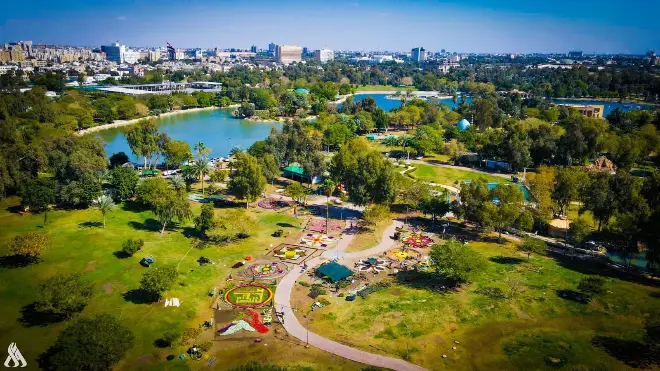
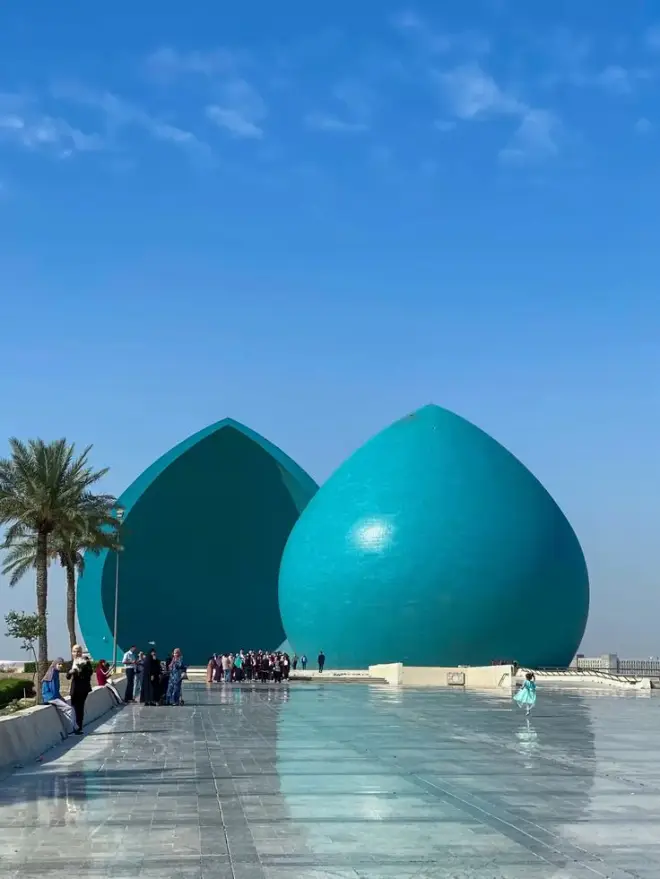

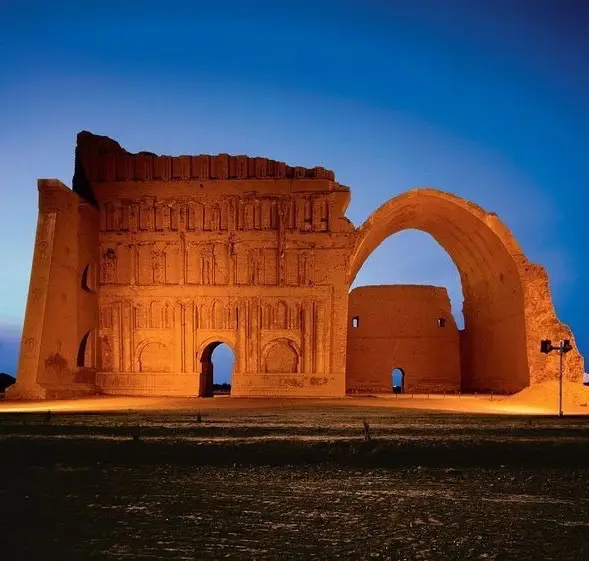
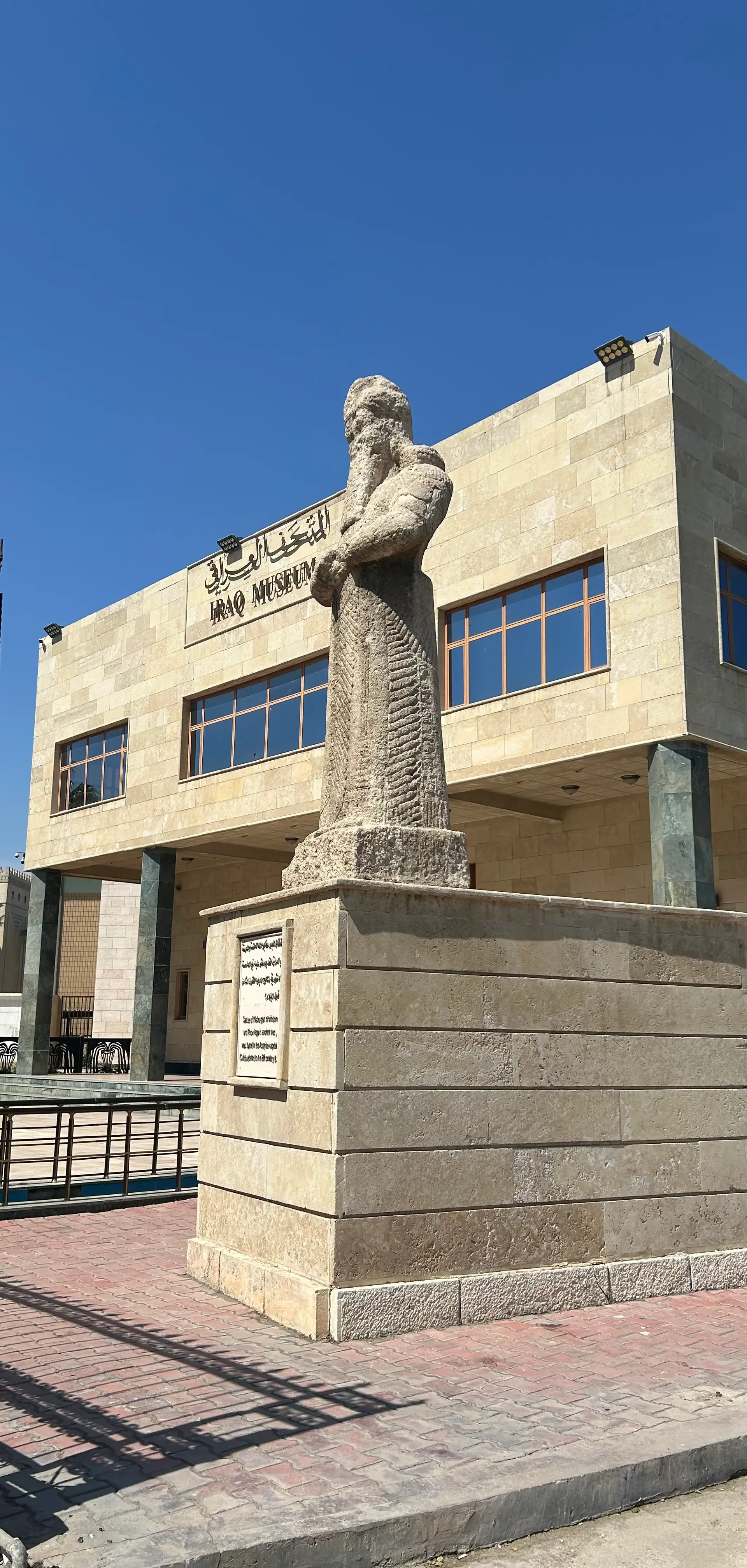
Hear the full audio story — free in the app
Get app